Speakers
Plenary Speakers
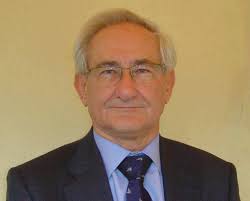
Gabriel Barceló Rico Avello
Born in 1940. I hold a PhD in Industrial Engineering from the OUTSIDE in the Polytechnic University of Madrid, and a degree in Physics from the Complutense University of Madrid. I have been engineer specialized in air conditioning installations, Consulting Engineer, public servant in the tax administration agency, Deputy Director General of the Ministry of Finance of Spain, responsible for the data processing center, professor at the Polytechnic University of Madrid and business advisor. With a group of collaborators, I have developed over the last fifty years a private research project in rotational dynamics, conducting experimental tests and proposing a scientific theory about the behavior of bodies subjected to acceleration, called the Theory of Dynamic Interactions. I have published more than thirty books on physics, engineering, and history, and numerous articles on these topics. Currently retired, but I continue working on research projects and writing books and articles.
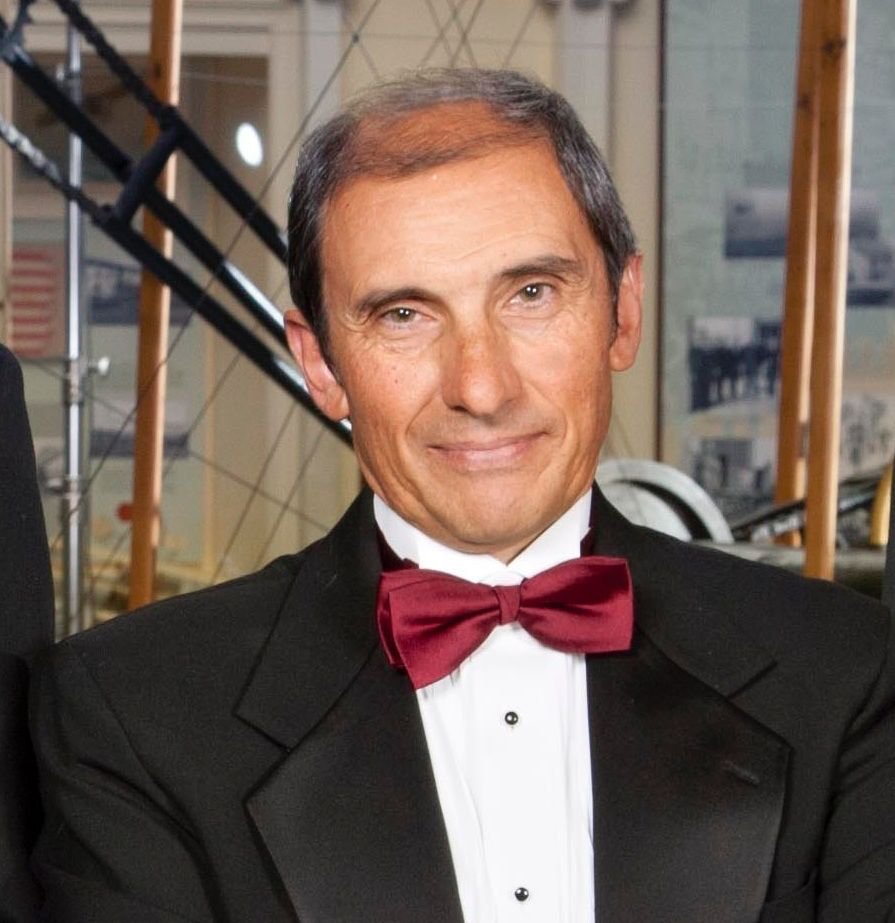
Enrico Flamini
Graduated in Physics at Roma University “La Sapienza” in 1977, with a thesis on X-Ray spectroscopy applied to Apollo Lunar Samples. Researcher at CNR then ESA Research Fellow at University of Sussex (UK). In 1985 employed at Agenzia Spaziale Italiana first as PA Manager, then as PM for ASI on Rosetta, Mars Express, MRO and the Cassini-Huygens Missions, Co-I of the Cassini Radar and of H-ASI; Chair 2006-10 of Philae Steering Committee; 2008-10: ASI Director of the Observation of the Universe department, Mission Science Director for LARES on VEGA 2012; ASI Chief Scientist from 2010 till retirement; Hemeritus PI of the SIMBIO-SYS instrument on BepiColombo; Vice-Chair and Chair of ESA SPC and Italian Delegate; Delegate to ESA PB-EO; from 2006 Professor of “Solar System Exploration “ at G. D’Annunzio” University-Chieti, Italy. Member of: IMEWG, MEPAG, MPSET, JMART, iMARS1, COPUOS ATEIn. Awarded as Officier de l’Ordre National du Mérite de France and as Exceptional Public Service Gold Medal by NASA; IAU named 18099-Flamini asteroid. More than 100 papers published and 3 books.
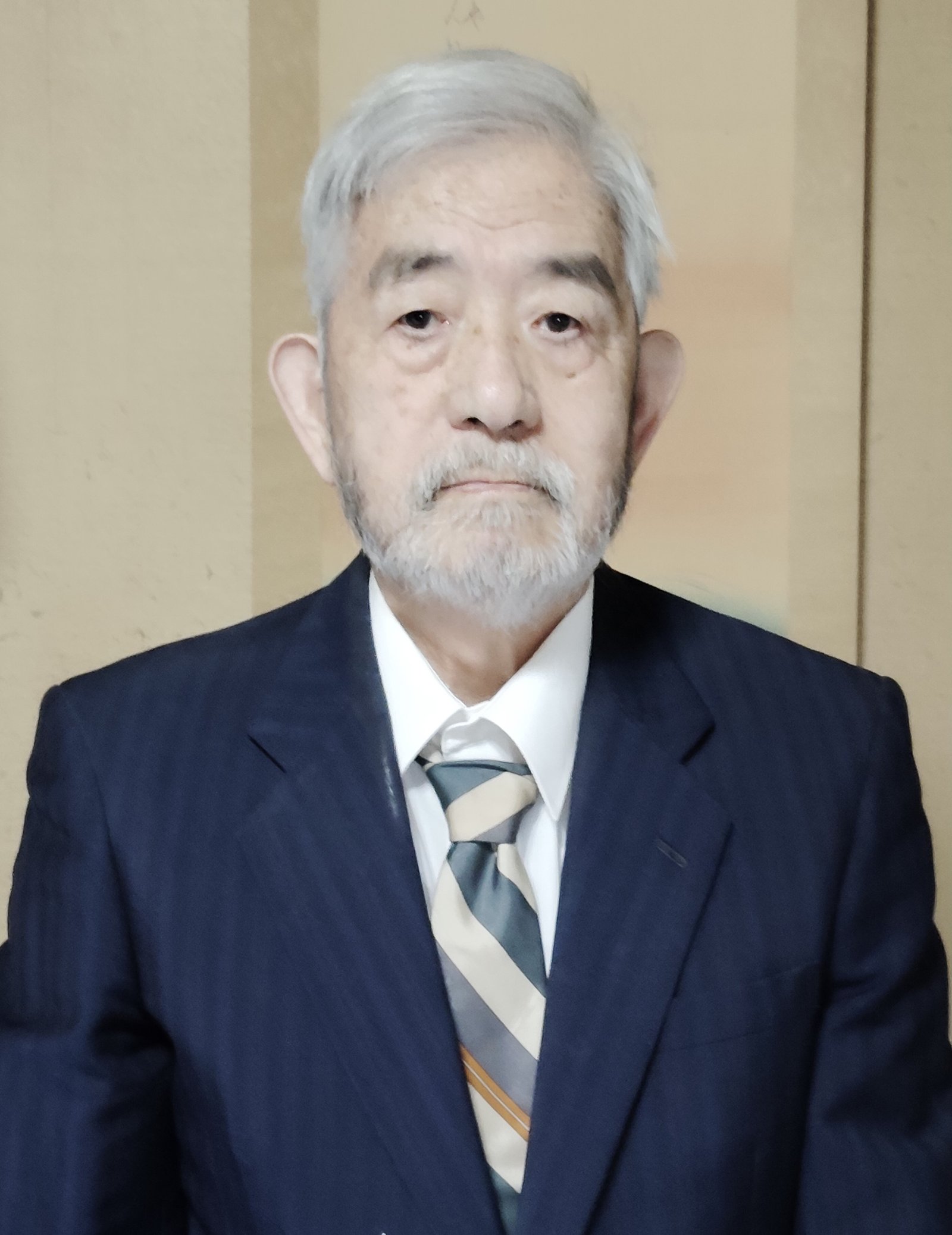
Katsuo Sakai
I was born on April 9, 1942, in Matsumoto City, Nagano Prefecture. In March 1960, I graduated from Suwa Seiryo High School and entered the Department of Applied Physics, Faculty of Science and Engineering, Waseda University. In April 1966, I joined Ricoh Co., Ltd., where I researched electrophotography technology. During that time, I made two very unique inventions. One is a one-shot two-color electrophotography method, which, like silver halide film, involves stacking two photosensitive layers with different light sensitivities, charging them positively and negatively, exposing them to a red-black image, and simultaneously creating positive and negative latent images of red and black, which are then developed with red and black toner. This device was exhibited at the 1980 Hanover Messe and received great acclaim. The second is a development method. Normally, in photocopiers, the developing material rubs against the surface of the photoreceptor. As a result, the latent image is disrupted, and high-resolution development is not possible. In my development method, the toner moves by hopping without touching the photoreceptor, and where there is a latent image, it is attracted to the latent image at the peak of its hopping motion and adheres to it. As a result, a very high-resolution toner image is developed. In 2006, I left the company and established the Electrostatic Power Generation Research Institute, where I am conducting research and development on electrostatic generators.
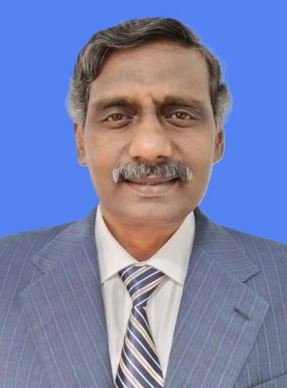
J Emerson Raja
Ts. Dr. J Emerson Raja (Ph.D.) is currently an Assistant Professor in the Faculty of Engineering and Technology at Multimedia University (MMU), Malaysia. His technical expertise centres around applying soft computing techniques to monitor the health of machines. He was honoured with the notable commendation award by his alma mater, SRM University, India in conjunction with its Alumni Day on 12 March 2017. He was also honoured with the best executive award and group CEO merit award for the year 2014 from TM, the leading integrated telecommunication company in Malaysia. He has co-authored 3 books, Modeling Intelligence: Computational Techniques in Cognitive Systems published by Amazon in August 2025, A Textbook of Practical Neural Networks a kindle Edition by Amazon in July 2025 and C Programming for beginners, published by Pearson (Malaysia) in 2009. He has been a recipient of the excellent teaching award four times, for the year 2012, 2013, 2016 and 2024 from the president of Multimedia University, Malaysia. He was also the recipient of the best research poster award in the MMU-Infineon technical symposium 2011. Dr. Emerson Raja received his bachelor’s and master’s degrees in Computer Science and Engineering from University of Madras, India in 1989 and 2001 respectively. His PhD degree was awarded by MMU, Malaysia for his research on “Intelligent Machine Condition Monitoring” in 2014. He has conducted successfully the Malaysian Government funded MTCP training program for 15 international participants form 14 August to 25 August 2017 at MMU. He was one of the speakers of the "International Teaching Week" at Hof University of Applied Sciences, Germany in June 2013. As a SENIOR member of IEEE, he has actively contributed as invited speaker in several technical symposiums arranged by IEEE Signal Processing Society of Malaysia. He had provided key-note speeches in many International Conferences in Malaysia, India, China, Dubai and Saudi Arabia. He has been invited twice as a guest speaker in MAL technical & innovation symposium on 21 November 2013 and 30 October 2014 at Infineon, a German based company in Malaysia. He was also awarded the silver medal by the Ministry of Higher Education, Malaysia, for his poster in the Innovative Practices in Higher Education Expo 2014 (I-PHEX 2014). Given a talk on “Peer Tutoring in Higher Education” at ASAIHL Conference, Tokio Japan in March 2018. He has been invited to Chonnam National University, South Korea, for their international summer session 2018, as international visiting scholar. He had given a talk on “Digestive health” at Gwanju International Centre, South Korea on 21st July 2018. He had also given the same talk on Digestive Health at Australian Radio SBS Tamil (2018) and it is available online. Being a HRDF certified trainer, he has conducted many workshops and delivered seminars on “The Role of Responsible AI in IR5,0”
Friedhelm M. Jöge
Biography of Friedhelm M. Jöge Friedhelm M. Jöge, born in 1943, worked in a scientific laboratory after studying chemistry and mathematics textbooks at a young age and after studying chemical engineering. He then worked in development departments in the chemical and pharmaceutical industries. The focus of his work was in the field of biochemistry and macromolecular chemistry. His interest are the synopsis of various physical, chemical and biological knowledge as well as questions of origin of life and ethics in the field of tension between faith and science. In particular, he dealt with the concept of information. He is married, has a daughter and three Grandchildren. He also loves music and chess. His contributions to science are five articles: 1. Quantum Gravity 2. Theory of Dark Energy 3. Information & Effect: An Introduction to the Concept of Immanence as a Physical Quantity 4. Calculation of Dark Energy and Dark Matter 5. Time is Energy and Dynamic Information (Information flow) 6. Equivalence of Information and Immanence
Jadav Chandra Mandal
Dr. Jadav Chandra Mandal holds the position of senior professor in the Department of Aerospace Engineering at the Indian Institute of Technology Bombay, India. He obtained his bachelor’s degree in Aeronautical Engineering from the Indian Institute of Technology Kharagpur in 1982, followed by a master’s in Aerospace Engineering from the Indian Institute of Technology Madras in 1984. Subsequently, he served as a scientist at the Vikram Sarabhai Space Centre, Indian Space Research Organization, from 1984 to 1985. Dr. Mandal completed his doctoral studies in Aerospace Engineering at the Indian Institute of Science, Bangalore, in 1990, before assuming a faculty position at the Indian Institute of Technology Bombay. His research group primarily focuses on pioneering numerical algorithms for tackling both single and multi-phase incompressible flows, alongside all Mach number compressible fluid flows, and fluid-structure interaction. In recent times, his team has been actively involved in advancing Riemann solvers for the analysis of deformation and wave propagation in solids. Dr. Mandal has been honoured with prestigious awards including the J. R. D. Tata Fellowship at the Indian Institute of Science, Bangalore (1987-1990), and the Alexander von Humboldt Fellowship in Germany (2002-2003).
Chung Yuan Kung
Dr. Chung Yuan Kung is Professor Emeritus in the Department of Electrical Engineering at National Chung Hsing University, Taichung, Taiwan. He earned his BS (1969) and MS (1972) in Physics from National Tsing Hua University, an MS in Physics from the University of Alabama in Huntsville (1974), and a PhD in Materials Science from Northwestern University (1979). After postdoctoral research at Georgia Tech and Lawrence Livermore National Laboratory and six years in the U.S. semiconductor industry with Fairchild and National Semiconductor, Dr. Kung joined Taiwan’s ITRI in 1987 and served on NCHU’s faculty from 1991 until his retirement in 2016. His 2024 publications represent a culmination of decades spent unraveling the deep connections between geometry and materials.
Keynote Speakers
Joseph P. Firmage
Joseph P. Firmage is a researcher and author developing Potentum Physics, a geometric-algebra approach that presents atoms, fields, and coherence as conjugate rotations of interlinked flux. Through the ORIGAMI Physics Observatory and the Academy of Science and Arts, his work pairs classical field intuition with GA rotors and high-fidelity visual plates—codified as Canon 12, a publication standard for accessible, equation-light pedagogy. Recent KAIROS reports include The Loving Atom (Canon 12) and ongoing studies connecting quasar jet torsion, hydrogen spectroscopy, and molecular resonance to macroscopic design principles relevant to sustainable habitats. His current focus is translating these insights into practical frameworks for science education, materials thinking, and ecosystem-aligned engineering on Earth and future Martian settlements.
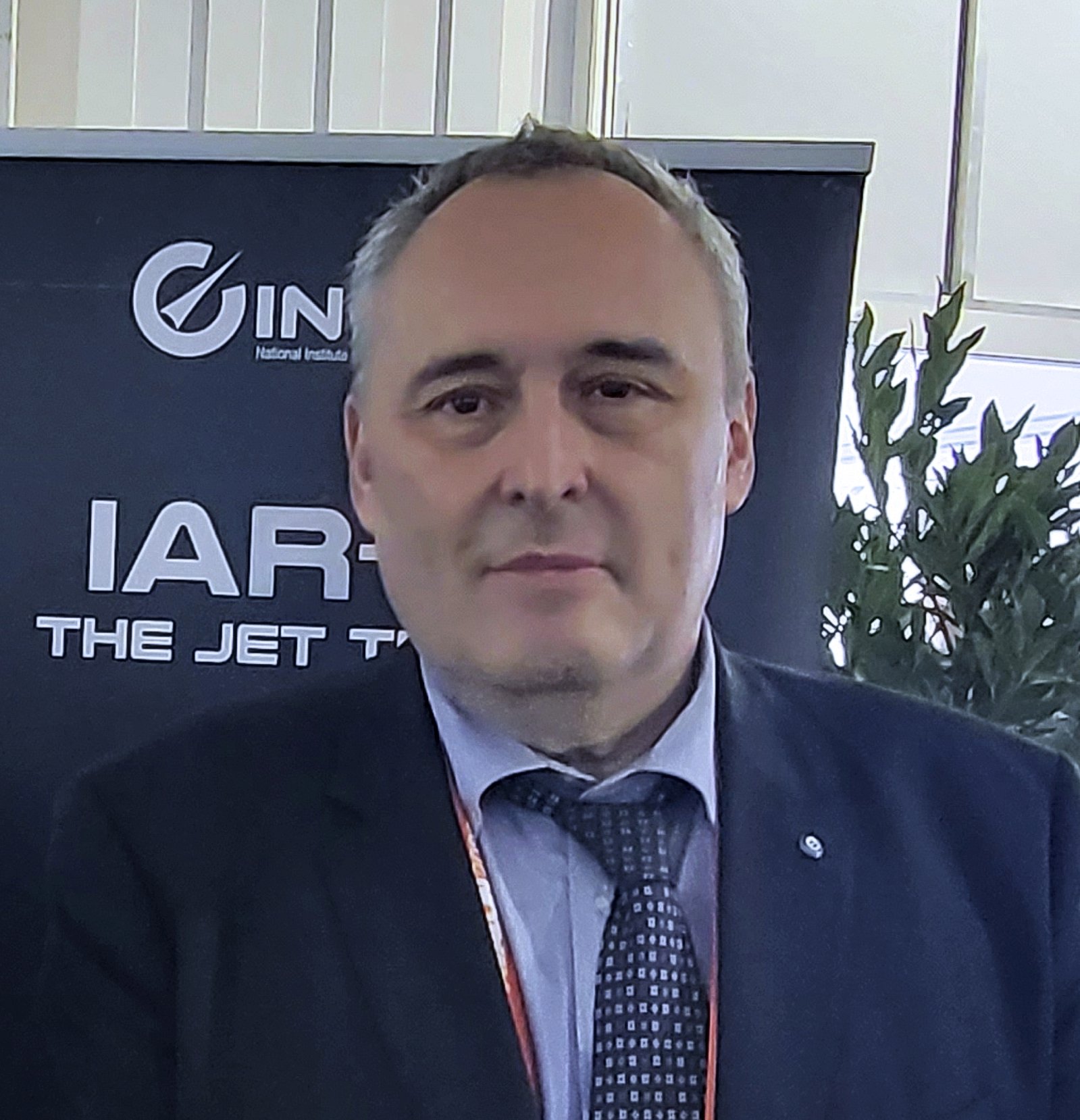
Dr. Catalin Nae
Dr. Catalin NAE graduated Aerospace Eng. Dept. from University Politehnica Bucharest with a Master in Aerodynamics in 1989 and also Faculty of Mathematics from Univ. Bucharest in 1995 with a Master in Fluid Mechanics. He obtained a PhD. in 1997 in CFD from University Politehnica Bucharest and further continued as a post-doc at Univ. of Glasgow in 1999/2000 and as a guest scientist in various research establishments in Europe and US. Since 1990 he works at INCAS – National Institute for Aerospace Research “Elie Carafoli” in Bucharest Romania as senior scientist, Head of Subsonic Wind Tunnel and Program Manager for several civil and military projects for aviation and space. He is an expert in aircraft design, wind tunnel testing and CFD, including HPC. He is author/co-author of more than 180 papers in various publications and international journals and is a member of Académie de l’Air et de l’Espace in France, member of DAAD in Germany and AIAA Associate Fellow in USA. Since 2007 he acted as President and CEO of INCAS, representing this establishments in most prestigious international organizations in aviation and space internationally. He is one of the founding members of EU JTI Clean Sky, acting as Vice-President of Governing Board of Clean Sky 1 and GB member in Clean Aviation Partnership in current Horizon Europe framework program. He is also one of the founding members of IFAR – International Forum for Aviation Research. He was nominated President of STAI - Supersonic Tunnel Association International 2017-2019, President of EREA - European Research Establishments in Aeronautics Association 2018-2019 and President of EU Future Sky 2019-2021. Currently he acts as Chair of ESRE – European Space Research Establishments Association. Starting 2025 he is co-chair of ACARE – Advisory Council for Aviation Research in Europe.
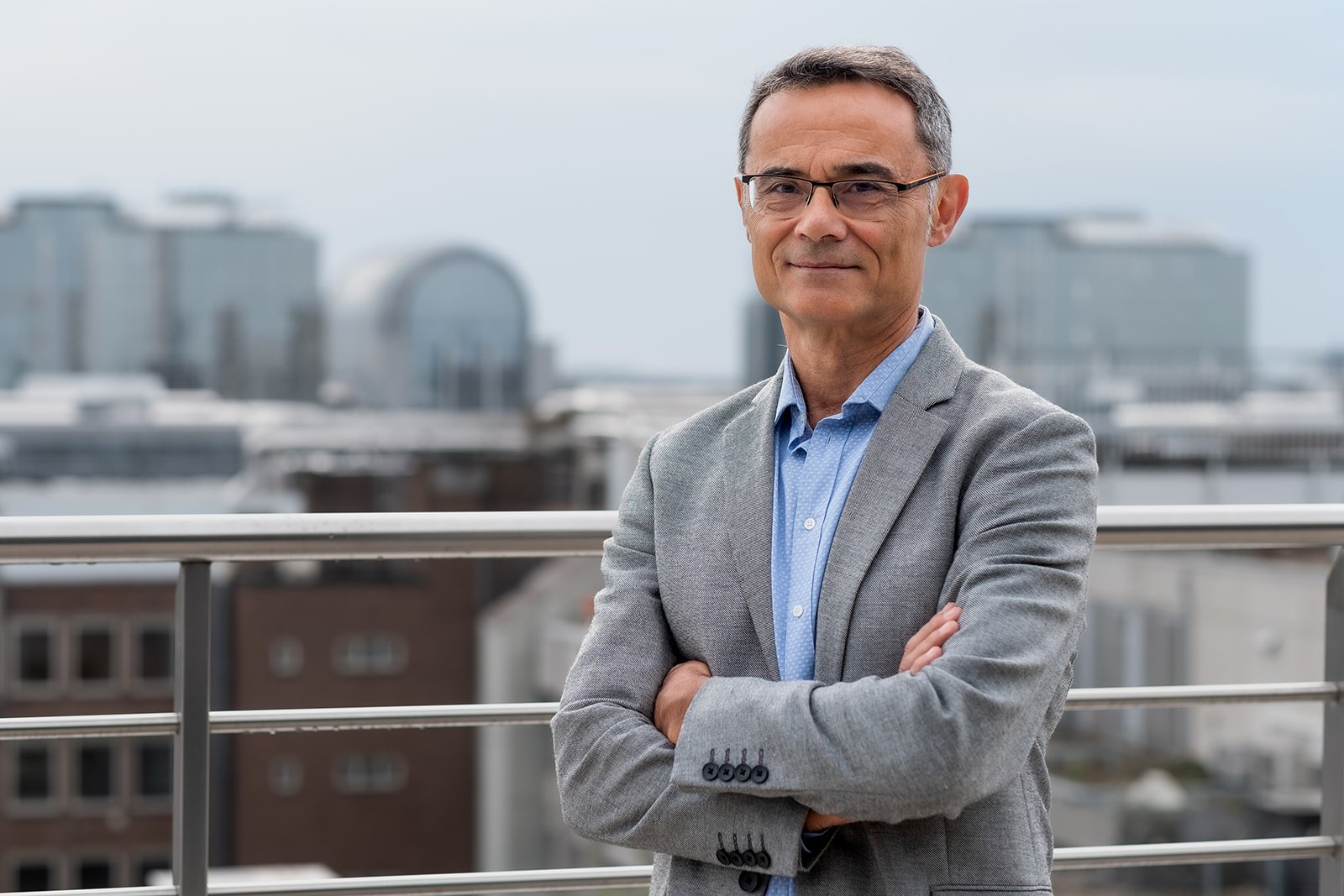
Sergio Alegre Calero
Sergi Alegre is a seasoned expert in airport and aviation affairs with extensive experience across Europe and Spain, focusing on airport regions, sustainable mobility, and urban-airport integration. He has held key leadership roles, including Director General of the Airport Regions Council (2018–present) and President of the same organization (2011–2016). In Spain, he served for many years as Vice-Mayor of El Prat de Llobregat, overseeing urban planning, environmental, and mobility policies. He has also contributed to national aviation governance through roles in the Spanish Observatory of Cities and Airports, the Committee of Spanish Cities with Airports, and the Environmental Committee of Barcelona–El Prat Airport. His work extends to European Union-funded projects related to airport sustainability, noise management, decarbonisation, regional employment, and multimodal transport systems. He has also been actively involved in multiple advisory boards for aviation research initiatives across Europe. In addition, he has contributed to publications on airport cities and aviation governance, including studies on airport-driven economic development and planning. A frequent international speaker, he has participated in numerous conferences across Europe, Asia, and the Americas, sharing expertise on smart airports, regional aviation development, and sustainable air transport.
Massimiliano Tosini
Massimiliano Tosini is a graduate student in Aerospace Engineering at the University of Padua, with a strong focus on propulsion systems, launch vehicle development, and experimental testing. His academic path combines advanced engineering studies with hands-on experience in applied aerospace projects. For the past two years, he has been part of THRUST, the student rocketry team of the University of Padua, where he serves as Head of the Propulsion Department and Technical Lead of the team’s new launch vehicle. In this role, he coordinates activities related to propulsion system development, integration, testing, and technical decision-making within a multidisciplinary engineering environment. His previous experience includes work on the development of a solid-propellant rocket, with activities related to propulsion-oriented design, structural integration, component manufacturing, and flight simulation. This background has strengthened his ability to connect theoretical engineering knowledge with practical design, testing, and validation processes. Massimiliano’s profile combines aerospace propulsion, vehicle-level system integration, simulation, programming, and aviation operations. He holds a Private Pilot Licence and drone-related certifications, which further support his understanding of flight systems from both technical and operational perspectives. He is particularly interested in propulsion technologies, launch systems, experimental validation, and simulation-based design for advanced aerospace applications.
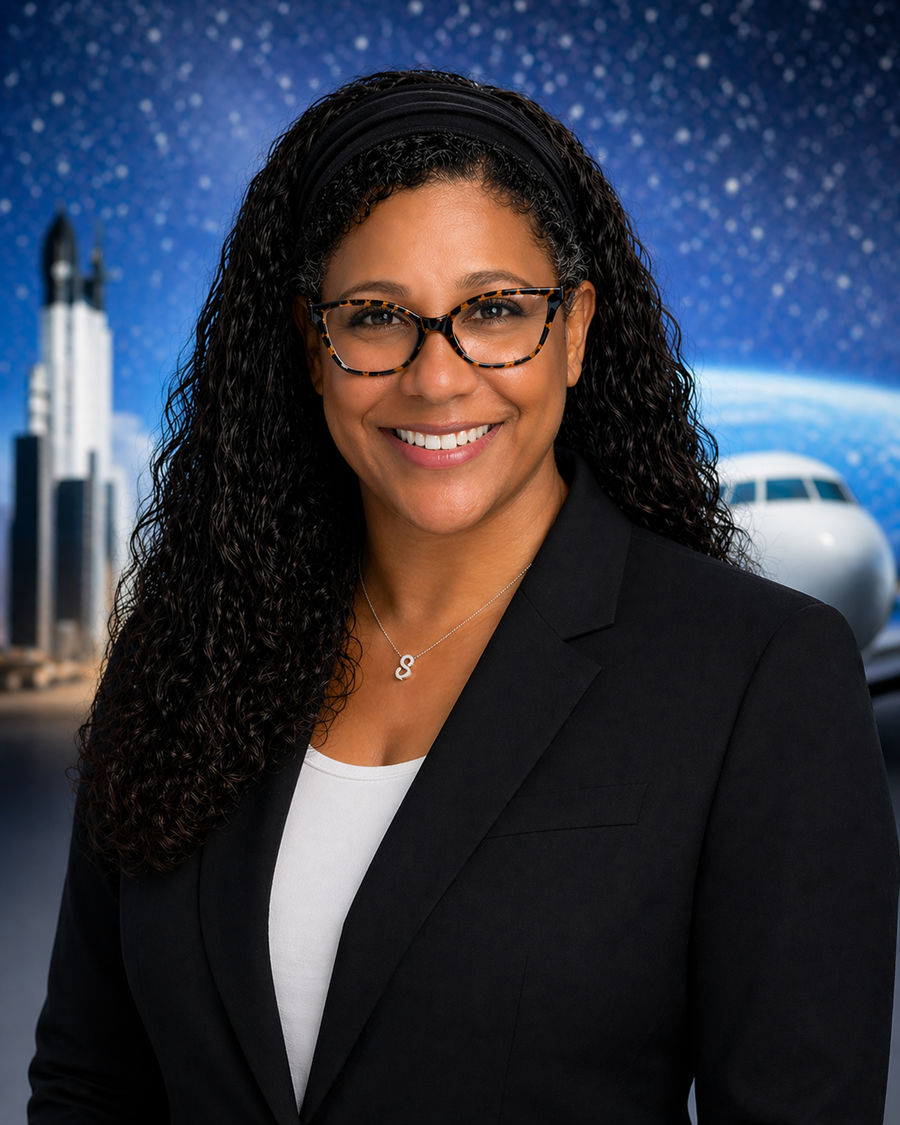
Melanie Berg
Melanie Berg is the Founder and CEO of Space R3 LLC, with over 37 years of experience in ASIC and FPGA design, verification, and reliability for space systems. She has supported numerous NASA missions, including FPGA design contributions to New Horizons: Pluto and Beyond. She spent more than 20 years at NASA’s Goddard Space Flight Center in the Radiation Effects and Analysis Group, where she led advanced research in radiation effects and mitigation for microelectronics operating in harsh environments. She authored NASA FPGA radiation effects test guidelines and developed best practices for mitigation strategies now used across the industry. Her expertise includes ionization effects, error-response characterization, robust design and verification methodologies, and hardness assurance for spaceflight systems. She has published and presented extensively on improving the reliability and survivability of critical space electronics.
Marcel Graf
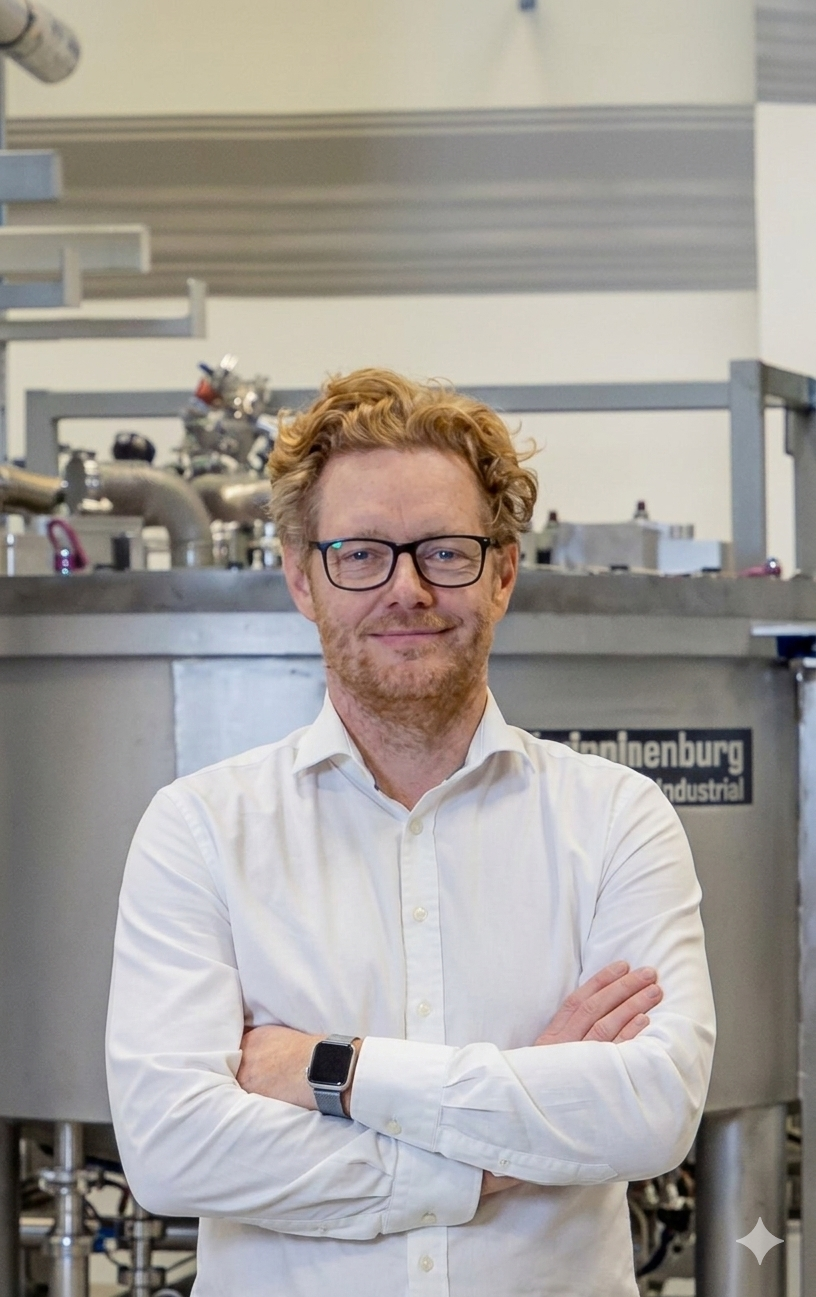
Dr. Ing. Marcel Graf is a researcher and academic in the field of Advanced Manufacturing Technology and Metal Forming. He was born on 29 June 1985 in Karl-Marx-Stadt (now Chemnitz), Germany, and currently serves as a Research Associate, Project Manager, and Chair of Materials and Surface Engineering at the Institute of Materials Science, Engineering, and Manufacturing at Chemnitz University of Technology, Germany. He completed his secondary education at Albert Schweitzer School in Zschopau and later earned his Diploma in Mechanical Engineering from TU Bergakademie Freiberg, specializing in Research and Development for Metal Forming Technology, Metallurgy, Foundry, and Forming Machines. He further obtained his Ph.D. from TU Bergakademie Freiberg with research focused on the “Development of Forming Behaviour of Oxide Scale in Metal Forming Processes under Hot Strip Rolling.” Dr. Graf has extensive expertise in product development, process engineering, virtual production engineering, and tribology in metal forming. His technical skills include CAD and simulation software such as Pro/Engineer, Siemens NX, PTC Creo, SolidWorks, MSC Simufact Forming, LS-DYNA, and ANSYS. Over the years, he has contributed significantly to research in hot rolling, bulk metal forming technology, and scale formation, and has participated in numerous international seminars, conferences, and scientific committees. He is fluent in German and English, with basic knowledge of Russian.
Cameron Ikin
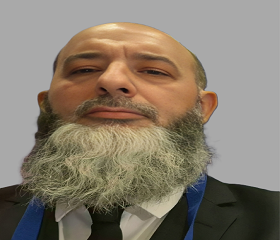
Cameron Ikin is the Director of the Australian Capricorne Spatial Agence, bringing extensive expertise in spatial technologies, agency leadership and innovative research that supports the rapidly evolving new space economy. His work uniquely bridges visionary theory with real-world applications, positioning him as a leading voice in global astrophysics and space innovation.
Oliver King Smith
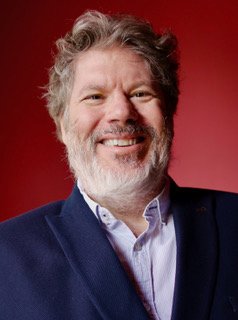
Shortened version Oliver holds a PhD in Mathematics from UC Berkeley and an executive MBA from Stanford, and is an innovator with expertise in Data Visualization, Statistics, Machine Vision, Robotics, and AI. As a serial entrepreneur, he has founded three companies and contributed to two successful exits. At his latest company, smartR AI, Oliver King-Smith spearheads innovative patent applications harnessing AI for societal impact, including advancements in health tracking, support for vulnerable populations, and resource optimization. Throughout his career, Oliver has been dedicated to developing cutting-edge technology to address challenges, and today smartR AI is committed to providing safe AI programs for manufacturing, MHI and SCM, and resource optimization, within your own secure and private ecosystems.
Maria Pia Fanti
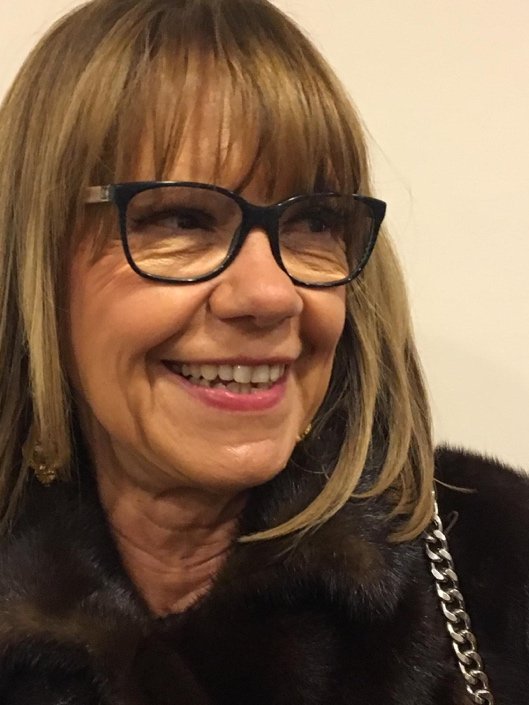
Cooperative, Connected and Automated Mobility (CCAM) is expected to reshape the way of travelling and moving in Europe and around the world. By the CCAM, the automated vehicles have to be integrated into the mobility and transport system by designing and implementing infrastructures, new services, platforms, cooperation and governance models. The smart traffic management and the deployment of CCAM innovative technologies and services is increasing efficiency and reducing congestion. This talk presents the approaches that are used to accelerate the implementation of innovative CCAM technologies and systems. The proposed methodology is based on the implementation and integration of enhanced Physical, Digital and Operational Infrastructures to enrich CCAM services and increase safety and traffic efficiency. The proposed actions will help to develop new mobility concepts, leading to healthier, safer, more accessible, sustainable, cost-effective and demand-responsive transport. Some solutions will be presented using Artificial Intelligence techniques and optimization strategies applied for a full integration of CCAVs in the real traffic for transportation of both passengers and goods.
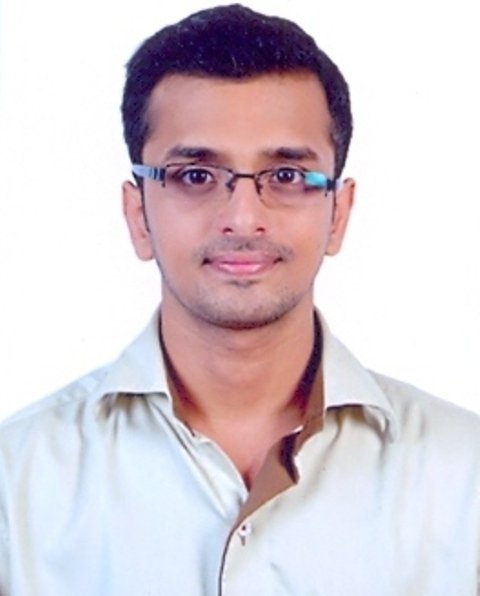
Gopikrishna Rangarajan
Gopikrishna Rangarajan is working as a Scientist in the Structural Testing Facility and pursuing his PhD in the area of buckling of shells. He has vast expertise in the area of Experimental validation of aerospace structures and components. He has implemented innovative solutions in structural and pressure testing of components as well as full scale airframes. He completed his Masters from the Indian Institute of Technology, Madras in 2015. He has received the Young Researcher Award in his organisation during the year 2019. He has presented technical papers in various International Conferences and also published in leading journals in the area of Structures and Experiments. His research areas include buckling, Acoustic Emission Monitoring, Load and pressure test on structures and thermo-structural tests on sections.
Diogo Ferreira Lima Filho
Graduated in Telecommunications Engineering from the Military Institute of Engineering (1982), Master in Electrical Engineering from the State University of Campinas (1989), PhD in Electrical Engineering from Poli USP (2015). Currently is full professor at Universidade Paulista (UNIP). Has experience in the area of Electrical and Computer Engineering, with emphasis on Telecommunications Systems, Networks and Computer Architecture, acting mainly on the following theme: Algorithms and protocols to ensure QoS in wireless sensor networks for applications in IoT- Internet of Things. Currently performs research with Graphene as a substrate for electronic circuits with applications in Wireless Sensor Networks and Quantum code applications for quantum computing.
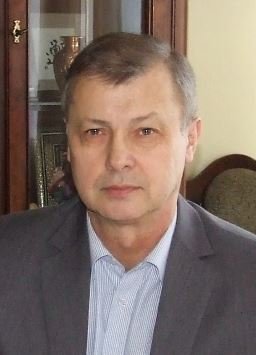
Janusz Rebielak
Professor (Ph.D) Janusz Rębielak, born in 1955, he studied architecture mainly in the field of engineering design of spatial structures, he obtained the Ph.D. in 1982 at the Wroclaw University of Science and Technology, in Poland. His scientific interests are very broad and concern mainly the methods of calculations of statically indeterminate trusses as well as the methods of numerical shaping and design of spatial structures intended for civil engineering particularly in area of lightweight roof structures and foundation systems of heavily loaded buildings placed on soils with low bearing capacity or located in seismically active areas, while in area of aviation and aerospace engineering his research is focused in design of VTOL aircrafts and a specific type of manned spacecraft. He published numerous papers, including three monographs, he obtains five patents. He is retired professor of the Cracow University of Technology, Poland, where he recently has been a head of Chair of Structures and Construction Engineering. He is married since 1980, has three children.

Dou. Zhang
Dr. Dou Zhang is an Assistant Researcher and M.S. Supervisor at Harbin Institute of Technology, China. Her research focuses on the mechanical behavior of shape memory polymer (SMP) composites and their application-oriented validation, with particular emphasis on constitutive behavior, thermo-mechanical coupling, and structure-function integration for deployable mechanisms. The SMP-based locking-and-release deployment mechanism developed by her team enabled the first dynamic unfurling of the national flag on China’s inaugural Mars mission, Tianwen-1. This achievement was selected as one of the “Top Ten Scientific and Technological Advances of Chinese Higher Education Institutions” in 2021.
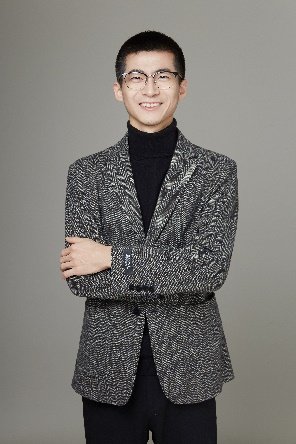
Xiaozhou Xin
Xiaozhou Xin, Harbin Institute of Technology, Associate Professor. He is engaged in the research on the mechanical behavior of smart polymer composites, multifunctional metamaterials, smart deformation structure design and aerospace applications. He has published 27 SCI articles in Advanced Functional Materials, International Journal of Extreme Manufacturing, Chemical Engineering Journal, Composites Part B, Small and other journals. He has been selected for the 10th Young Talent Support Project of China Association for Science and Technology.
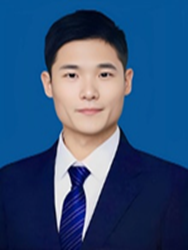
Zhengxian Liu
Zhengxian Liu, Associate Professor at the School of Aerospace Science and Technology, Harbin Institute of Technology, has been selected for the 2023 Postdoctoral Innovation Talent Support Program (Boxin Program). He has long been committed to the basic theory of mechanics, intelligent composite material design, space deployable structures, aerospace applications, etc., published 19 SCI papers, presided over 6 projects including the Young Scientists Fund of the National Natural Science Foundation of China, and served as a member of the Smart Composites Professional Committee of the Chinese Mainland Federation of the International Society for Advanced Materials and Manufacturing Engineering (SAMPE), the executive director of the expert think tank of the New Material Development Alliance, the member of the Composite Structure Design Special Committee of the China Composite Materials Society, the member of the Youth Working Committee of the China Composite Materials Society, and so on
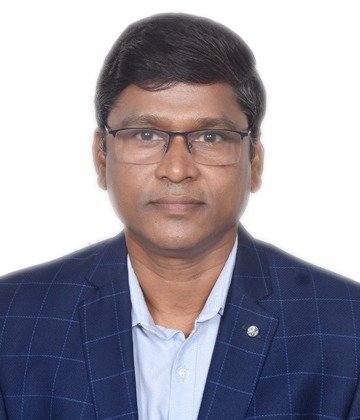
Ramesh Kumar Nayak
Prof. Ramesh Kumar Nayak is currently serving as Head of the Department (HOD) and Associate Professor in the Department of Materials and Metallurgical Engineering at Maulana Azad National Institute of Technology (MANIT), Bhopal. He earned his Ph.D. in Engineering from KIIT University, Bhubaneswar (2016), with research focused on the hydrothermal durability of nanocomposite-based fiber-reinforced polymers. He completed his M.Tech. from IIT Kanpur (2005) and B.E. from Utkal University (2002) in Metallurgical and Materials Engineering. Dr. Nayak has over 20 years of extensive experience spanning academia, research, and industry, having worked with prestigious organizations such as General Motors India Technical Center, Hindustan Aeronautics Limited (HAL), and DENSO International India Pvt. Ltd., along with academic institutions including NIT Rourkela and KIIT University. His research interests include metal casting and simulation, FRP nanocomposites, functionally graded materials, compound casting, and corrosion engineering. He is actively leading several sponsored research projects funded by DRDO, DST, BIS, and the Ministry of Mines, focusing on advanced casting processes, nanocomposites, and sustainable material development. Prof. Nayak has made significant academic contributions with over 90+ research publications in SCI/Scopus-indexed journals, 5 reference books, multiple book chapters, and several Indian patents. He has been recognized among the top 2% scientists worldwide (Stanford University rankings, 2022–2025) and serves as an Associate Editor for the journal Discover Applied Sciences (Springer Nature). In addition to his research and teaching, he has guided numerous Ph.D. and postgraduate students, organized international conferences, and contributed actively to academic administration at MANIT. His work bridges industry and academia, particularly in casting technologies and advanced composite materials, with a strong emphasis on innovation and practical applications.
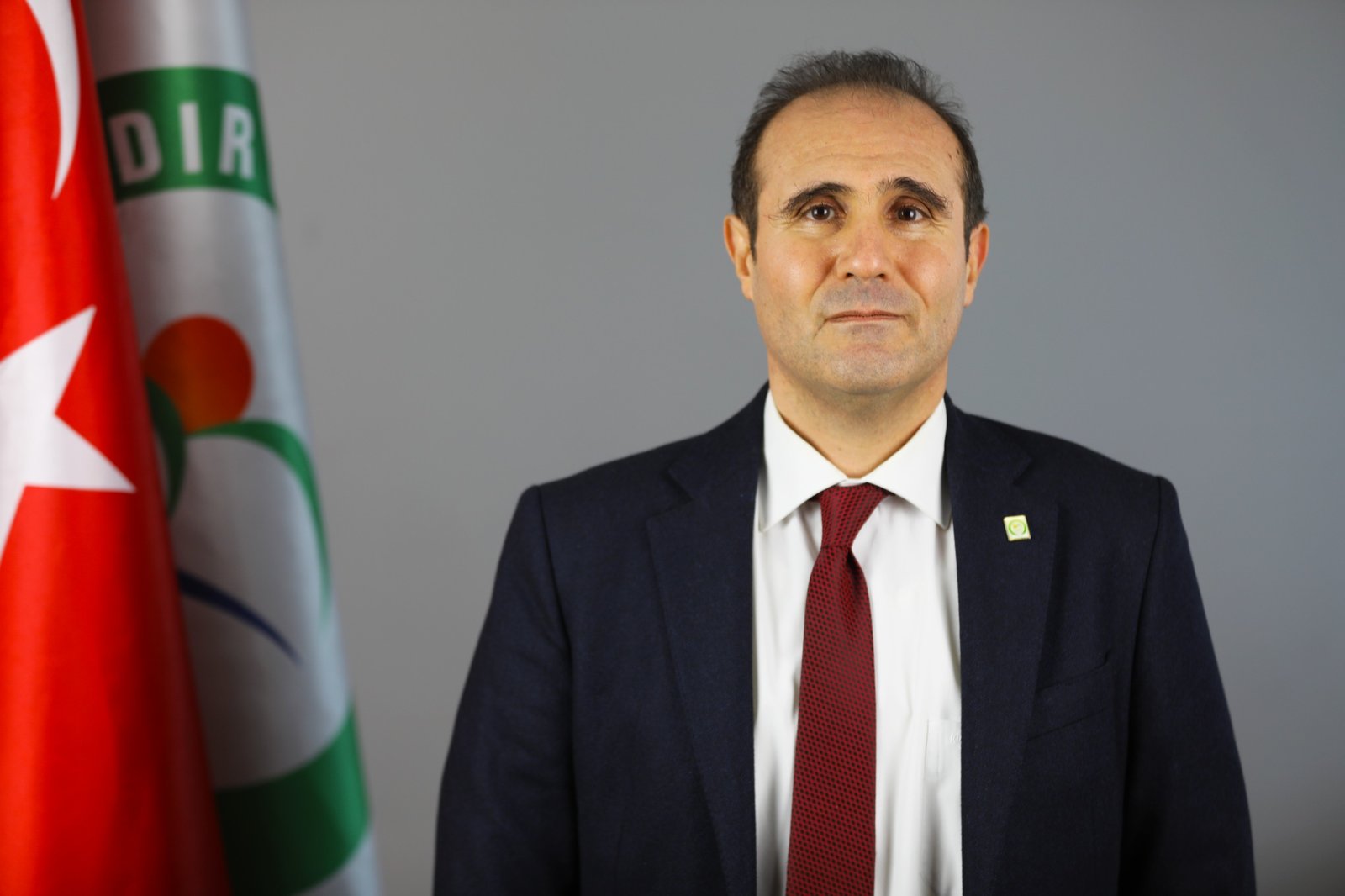
Emin Taner Elmas
Asst.Prof. Dr. Emin Taner ELMAS is a Mechanical Engineer having degrees of B.Sc., M.Sc., Ph.D., and was born in Sivas in 1974. He completed his doctorate at Ege University, Graduate School of Natural and Applied Sciences, Mechanical Engineering Department, Thermodynamics Science Branch, and his master's degree at Dokuz Eylül University, Mechanical Engineering Department, Energy Science Branch. He also completed his undergraduate education at Hacettepe University, ZEF, Mechanical Engineering Department and graduated from the faculty with honors in 1995 and became a mechanical engineer. He was awarded a non-refundable scholarship by the Turkish Chamber of Mechanical Engineers in his 4th year because he was the most succesful student during his first 3 classes study at the faculty. He graduated from İzmir Atatürk High School in 1991. Asst. Prof. Dr. ELMAS has completed his military service as a NATO Officer in Bosnia and Herzegovina. He was a “Reserved Officer” as a “2nd Lieutenant” as an “English-Turkish Interpreter”. He was also a “Guard Commander” and served in Sarajevo, Camp Butmir within the SFOR task force of NATO. He has been awarded with 2 (two) NATO Medals and Turkish Armed Forces Service Certificate of Pride (Bosnia & Herzegovina). In addition to his academic duties at universities, he has worked as an engineer and manager in various industrial institutions, organizations and companies; He has served as Construction Site Manager, Project Manager, Management Representative, Quality Manager, Production Manager, Energy Manager, CSO-CTO, CBDO, Factory Manager, Deputy General Manager and General Manager. Asst. Prof. Dr. Elmas is Department Head and is an Assistant Professor of Automotive Technology at the Department of Motor Vehicles and Transportation Technologies at Vocational School of Higher Education for Technical Sciences at IGDIR UNIVERSITY, Turkey. He is also an Assistant Professor of Bioengineering & BioSciences at the same university. He has nearly 30 years of total experience in academia and in industry. He has served as a scientific referee and panelist for ASME, TUBITAK and many scientific institutions, organizations and universities, including NASA. He has published numerous international and national academic scientific articles, books, and book chapters, and serves as an editor for international academic journals. He also serves on the scientific committees of many international conferences, publishing conference and congress proceedings and giving presentations. “Mechanical Engineering, Energy Transfer, Thermodynamics, Fluid Mechanics, Heat Transfer, Higher Mathematics, Evaporation, Heat Pipes, Space Sciences, Automotive, Bioengineering, Medical Engineering Applications, Neuroengineering, Medical Technique” are his academic and scientific fields of study; “Heating-Ventilation Air Conditioning Applications, Pressure Vessels, Heat Exchangers, Energy Efficiency, Steam Boilers, Power Plants, Cogeneration, Water Purification, Water Treatment, Industrial Equipment and Machinery, Welding Manufacturing, Sheet Metal Forming, Machining” are his industrial experience fields. As of 2026, he has been awarded the Nobel Scientist Award by the international platform organization Scientific Laurels. Asst. Prof. Dr. Emin Taner ELMAS is also a musician, saz (baglama) virtuoso player and ney (Nay, Turkish Reed Flute) performer. He plays also cümbüş instrument and performs darbuka rhythm instrument. He has a YouTube Music Channel (Emin Taner ELMAS) which includes some of his sound recordings of him playing the saz-baglama and blowing the ney. He composed the poem written by the great poet Âşık Veysel ŞATIROĞLU under the name of “Raşit Bey” in memory of his father Judge (Hâkim) Raşit ELMAS as “Raşit Bey Türküsü”, wrote it down, notated and published it as an academic article and broadcasted this song on his own music channel. He wrote the poems entitled “Canım Babam” and “Geldim Babam” which he wrote also in memory of his father and published in an academic literature journal, and composed instrumental musics for these poems. He also composed an instrumental song called “Annem Annem Türküsü” and gave it to his mother, Lawyer Tuna ELMAS, as a gift on Mother’s Day, 11.05.2025. He also has a poem titled "Ney and Neyzen." He also wrote and presented a poem titled "Esra Kardeşim" to his sister, Esra ELMAS, an archaeologist and English teacher. He has published books including "Saz-Bağlama Tuning System Method" (“Saz- Bağlama Akort Sistemi Metodu”) and "Ney and Neyzen; Ney's Pitches, Frets, Sound Stages, Octaves, Structure, Performance, Ney Maintenance and Basic Music Theory" (Ney ve Neyzen; Ney’de Perdeler, Ses Devreleri, Oktavlar, Yapısı, İcrası, Ney Bakımı ile Temel Musiki Nazariyatı) and My Collection of Literary and Musical Art Works – I Story / Anecdote / Essay / Poetry / Verse / Prose / Humorous; witty - satirical; poetic stories / Lyrics / Composition (Edebiyat ve Musiki Sanat Eserleri Külliyatım – I Hikâye / Anekdot / Deneme / Şiir / Manzume / Nesir /Mizahi; nükteli – hicivli; şiirsel hikâyeler / Güfte / Beste). He continues his artistic studies by writing various articles, books, poetry, lyrics and also realizing musical composition and repertoire works.
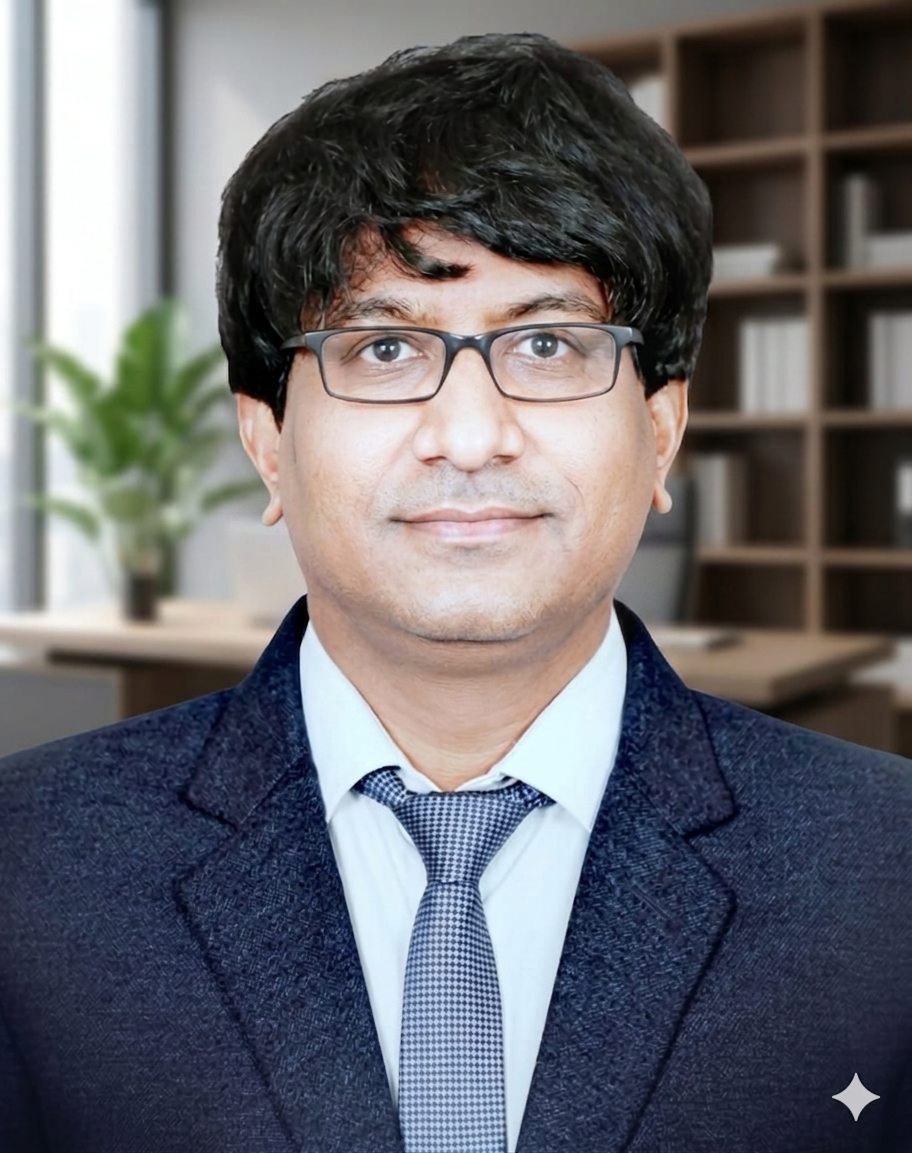
Rajeshkumar Sambhe
Biography of Prof. (Dr.) Rajeshkumar Sambhe Dr. Rajeshkumar Sambhe is a distinguished Professor of Mechanical Engineering with over 30 years of academic and industrial experience. He currently serves as Dean (Quality Assurance) and leads the Business Incubator at Jawaharlal Darda Institute of Engineering & Technology, Yavatmal, India. A recognized Ph.D. supervisor, he has made significant contributions to academic leadership through his active involvement in university Boards of Studies, as well as innovation and incubation initiatives. His research interests include quality management and advanced manufacturing systems, with numerous publications in reputed international journals. He is an accomplished innovator with multiple patents and design registrations, and has mentored several start-ups under university and government-supported programs. Dr. Sambhe has received several prestigious honors, including the Distinguished Engineer Award, Visionary Leader Award, among others, in recognition of his contributions to engineering education, research, and innovation.
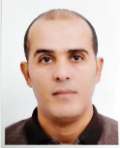
Djamel Zelmati
Dr. Djamel ZELMATI is a Research Director at Research Center in Industrial Technologies, Algiers Algeria, specializing in materials and mechanical engineering. His work focuses on corrosion, fracture mechanics, and reliability of steel structures, particularly pipelines. He develops advanced numerical and probabilistic models to study defect evolution and structural integrity. He is also involved in industrial research on cold-rolled steels for moderate drawing applications. He has published several articles in international journals. Thank you once again for this opportunity. I look forward to contributing to the conference and to engaging with the scientific community.
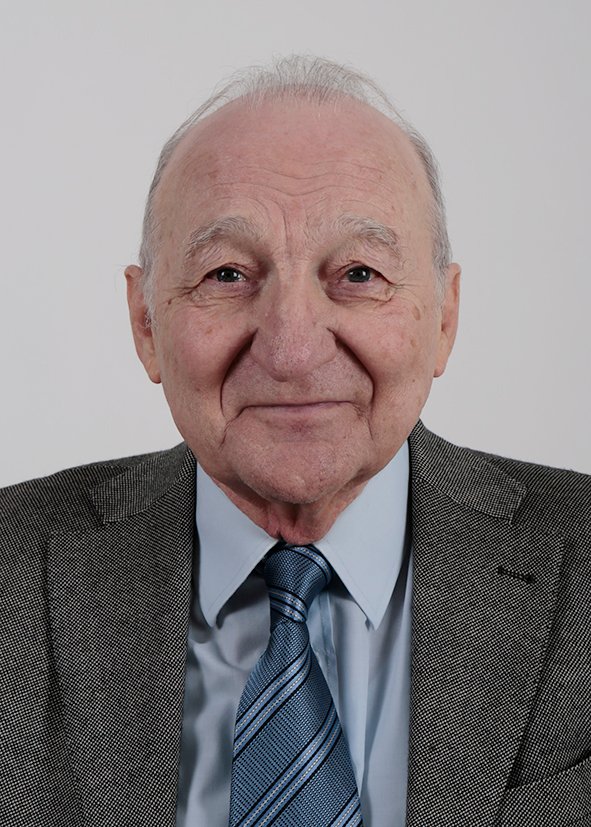
Luciano Lorenzi
Luciano Lorenzi was born in Ventimiglia (Imperia, Italy) on 16 October 1949. He studied in Mondovì in the 1960s and took his degree in Physics in 1975, with the assistance of the Astronomer Prof. Franco Scaltriti, having already been involved in research at the Turin Astronomical Observatory for three years. Lorenzi earned the title of Astronomer in 1978 through a national selection, followed by another appointment again in Turin, where he remained until 1 September 1987. At his own request, on the same date he joined High Schools in the Province of Cuneo to teach Physics. From 21 December 1989 until early 1992, Lorenzi coordinated and supported the Mondovì Astronomy Study Center, together with the two OATO Directors, Professors Alberto Masani & Attilio Ferrari. Its goals included a variety of cultural objectives focusing on research, teaching and communication, with the clear intention of promoting the city as the heir to an ancient university institution, as well as the birthplace of the founder of the Turin Astronomical Observatory, Father Giovanni Battista Beccaria. He was also a Senator of the Italian Republic for three consecutive legislatures from 1992 to 2001. In the same period, from 1994 to 1999, he was a member of the “Council of Europe” and the “Western European Union Assembly”. He was an active parliamentarian in the Senate of the Italian Republic and the “Council of Europe”. In particular, he promoted Law 315 dated 3 August 1998, which allocated 8.1 billion lire for university building projects in Mondovì through Turin Polytechnic University. He was also instrumental in achieving approval of “RESOLUTION 1080 (1996) on the detection of asteroids and comets potentially dangerous to humankind” by the “PARLIAMENTARY ASSEMBLY OF THE COUNCIL OF EUROPE”. He has around seventy publications in various scientific fields, dealing specifically with Astronomy, Variable Star Astronomy, Large-Scale Structure of the Universe, Cosmology and Cosmogony.

Dan Song
Dan Song received the Ph.D. degree in Information and Communication Engineering from Xiamen University, Xiamen, China, in 2023. She is currently an Associate Professor at Jimei University, China. Her research focuses on marine communication and coding, underwater communication, and quantum communication. She has authored/co-authored more than 20 papers in authoritative journals and conferences, filed over 10 invention patents, and has led and participated in multiple national and provincial research projects. Dr. Song serves as a reviewer for a number of international authoritative journals and is an Editorial Board Member of Computer Science and Technology. She was the recipient of the Outstanding Young Scholar Award at IEEE ICCCAS 2024 and the Outstanding Doctoral Dissertation Award of Fujian Province in 2025.
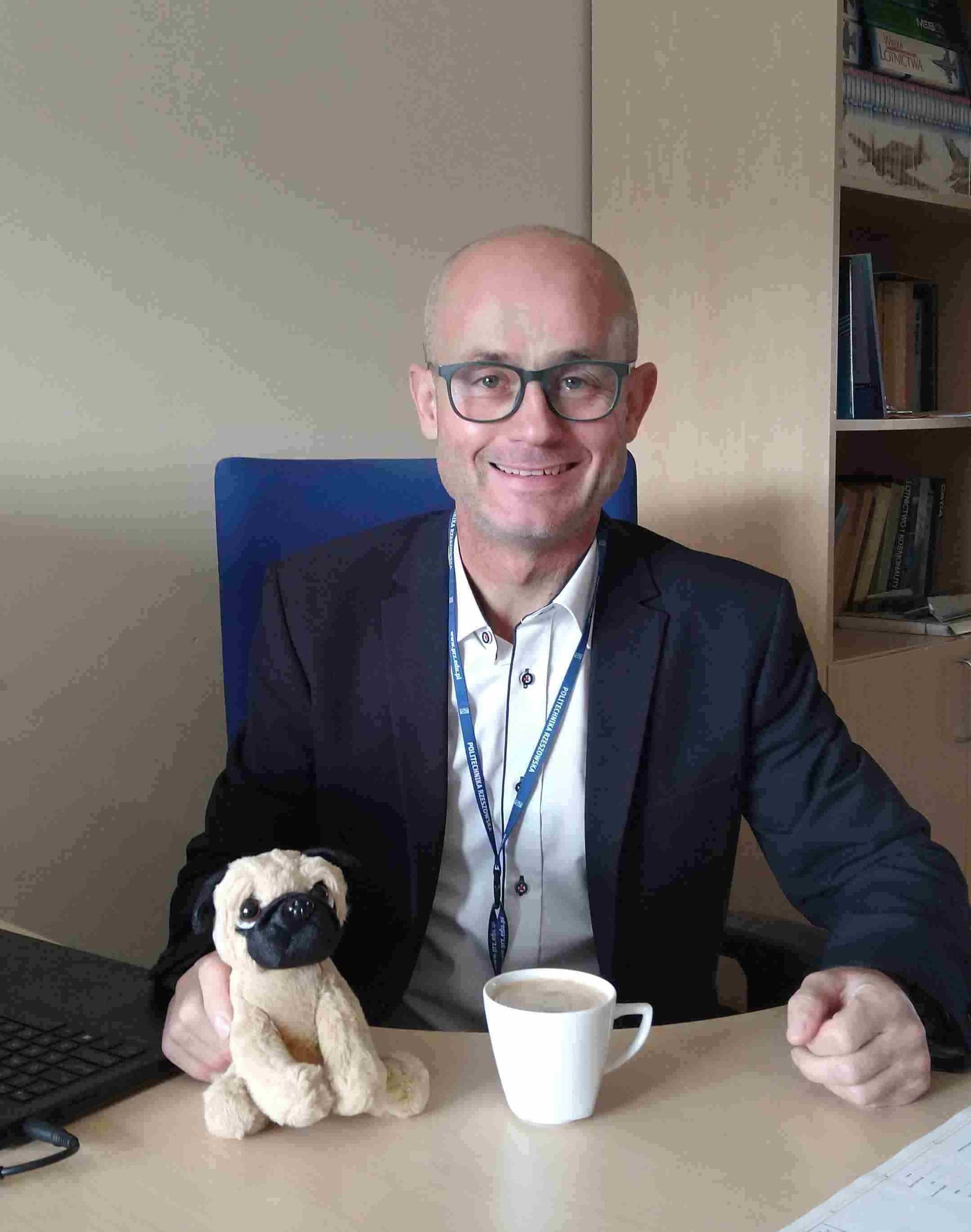
Robert Jakubowski
Robert Jakubowski, PhD, Eng. is an Assistant Professor at the Department of Aerospace Engineering, Rzeszów University of Technology, Poland, where he has been working since 1998. He initially served as an Assistant and, after obtaining his Ph.D. in 2004, became an Assistant Professor and Lecturer. He teaches courses on Turbojet Engine Theory, Modelling and Analysis of Turbojet Engine Performance and Numerical Analysis in Aviation Applications. His research focuses on thermodynamic modeling and performance analysis of aero engines, particularly turbojet and turbofan engines. He conducts conceptual studies on advanced propulsion systems such as inter-turbine burner engines and turbofan engines with reheaters. His work includes developing numerical models, mainly in MATLAB, for analyzing engine performance under various operating conditions. He gained professional experience at MTU Aero Engines Poland, where he worked in the Performance Department for over three years. He is the author and co-author of several scientific papers on aircraft propulsion systems.
Rashid Ali Laghari
Dr. Rashid Ali Laghari is PhD in Mechanical Engineering from the Harbin Institute of Technology, Harbin, China. In 2021, He joined the Postdoctoral Research Fellow at the College of Mechanical & Electrical Engineering, Nanjing University of Aeronautics and Astronautics, Nanjing, China. Later in 2022, he joined another Postdoctoral Research Fellowship at the Interdisciplinary Research Center for Intelligent Manufacturing and Robotics, King Fahd University of Petroleum and Minerals, Dhahran, Saudi Arabia. In 2024 he started working as an Assistant Professor in Sindh Institute of Management and Technology, Karachi, Pakistan. Currently he is working as Associate Professor in School of Intelligent Manufacturing, Shanghai Zhongqiao Vocational and Technical University, Shanghai 201514, China, Where he taught courses such as Mechanics of Machines and Materials, Solid Mechanics, and Manufacturing Processes. He specializes in Intelligent manufacturing, Artificial Intelligence, Finite Element Analysis and predictive modeling and optimization of the machining process, difficult-to-cut Metal Matrix Composite materials, Fabrication of SiCp/Al Metal Matrix Composite Materials through powder metallurgy and functionally graded ceramic cutting tool inserts, Internet of things (IoT), Industrial Internet of things (IIoT) , Soft computing, process monitoring of CNC machines. 3D printing and 4D printing of smart materials, and composite materials, Laser additive manufacturing of composite materials.
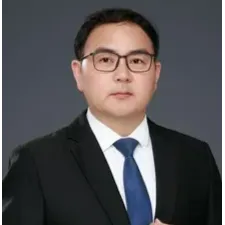
Xiyuan Chen
Xiyuan Chen received the Ph.d. degree in Precision Instrument and Mechanical Engineering from Southeast University, China, in1998. He went to Poleticnic di Turino, Italy(2005-2006),North Carolina State University, USA(2009), University of Birmingham, UK (2017) and Tohoku University, Japan(2025) as a senior visiting scholar or a senior research scholar. He is currently the professor of school of instrument science and engineering, southeast university, China. He is also the dean of at the Guizhou Institute of Technology. His research interests include inertial navigation and integrated navigation and GPS software receiver and wireless location technologies, weak-signal GNSS, hybrid navigation and related application. He was elected as a IET Fellow and is also a Senior member of IEEE and a Council member of the China Instrument and Control Society. He is author or contributing author of more than 300 technical papers, reports and has been granted over 160 invention patents in China and 6 invention patents in the United States. He received over 10 awards including the Special Commendation Gold Award and Gold Award at the Geneva International Invention Exhibition.
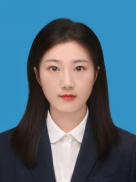
Lan Luo
Lan Luo, Associate Professor at the School of Aerospace Science and Technology, Harbin Institute of Technology. The applicant focuses on the design, synthesis, preparation, and application of intelligent materials and has achieved a number of research accomplishments. They have published 20 SCI-indexed papers in journals such as Advanced Functional Materials, ACS Nano, Chemical Engineering Journal, Advanced Science, and Research, including 2 papers recognized as highly cited. Additionally, they have filed 14 national invention patents, been granted 7 invention patents, and been authorized for 2 software copyrights.
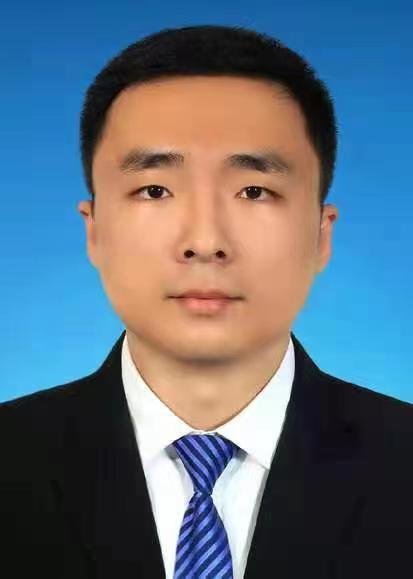
Hanxing Zhao
Zhao Hanxing, Ph.D., Assistant Professor at Harbin Institute of Technology, Master’s Supervisor, Member of the Youth Working Committee and Polymer Matrix Branch of the Chinese Society for Composite Materials. He has long been engaged in research on intelligent materials and structural mechanics, including the analysis of SMPC fiber micro-buckling and structural macro-buckling, as well as the design of SMPC space deployable structures. He has published over 10 SCI papers and serves as a youth editorial board member and guest editor for several domestic and international journals.
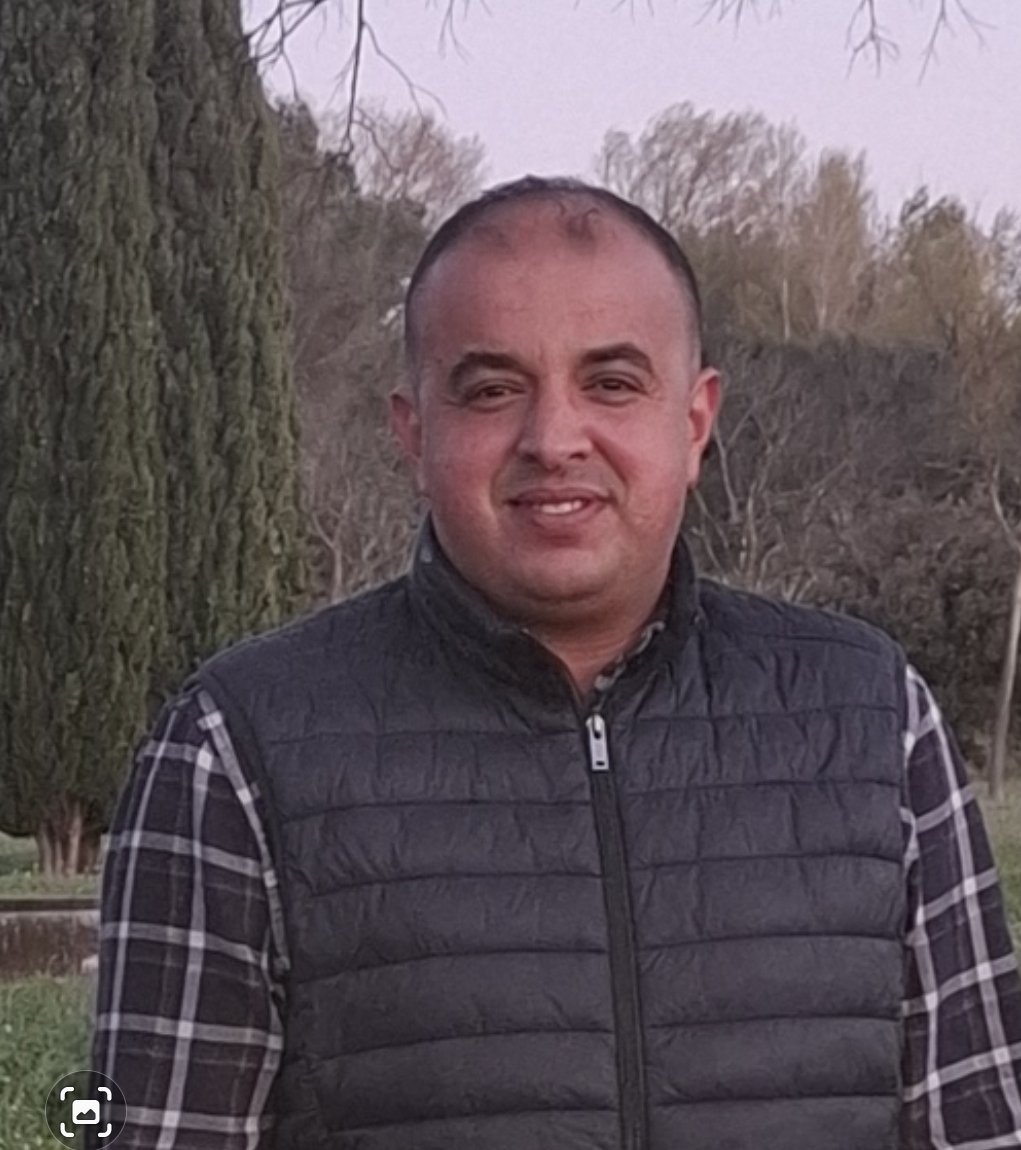
Jeyar Mohammed
Dr. Jeyar Mohammed is a university lecturer specializing in physics, with expertise in fluid mechanics, hydraulics, and Computational Fluid Dynamics (CFD). With several years of experience in higher education, he primarily teaches first-year students in science and engineering, focusing on the understanding of fundamental concepts and their practical applications. His academic work lies in the field of numerical modeling, particularly through the use of advanced methods, including CFD, for solving complex equations such as those encountered in fluid mechanics. He is especially interested in the development of innovative numerical approaches.
Fengfeng Li
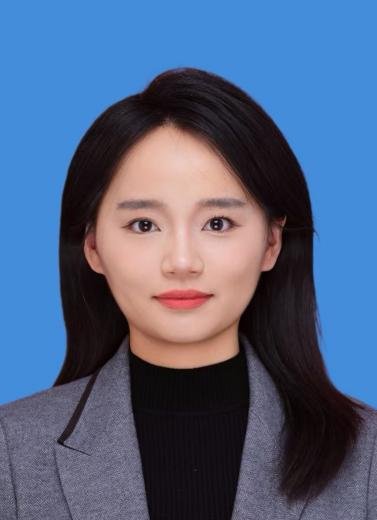
Fengfeng Li, Associate Professor at Harbin Institute of Technology, Scientific Editor for International Journal of Smart and Nano Materials. Her research interests are mechanics of shape memory polymers composites, experimental mechanics and smart space deployable structures. She has published 28 journal papers in Composites Part A, Composites Part B, Mechanics of Materials, etc.
Alexander Sharmazanashvili
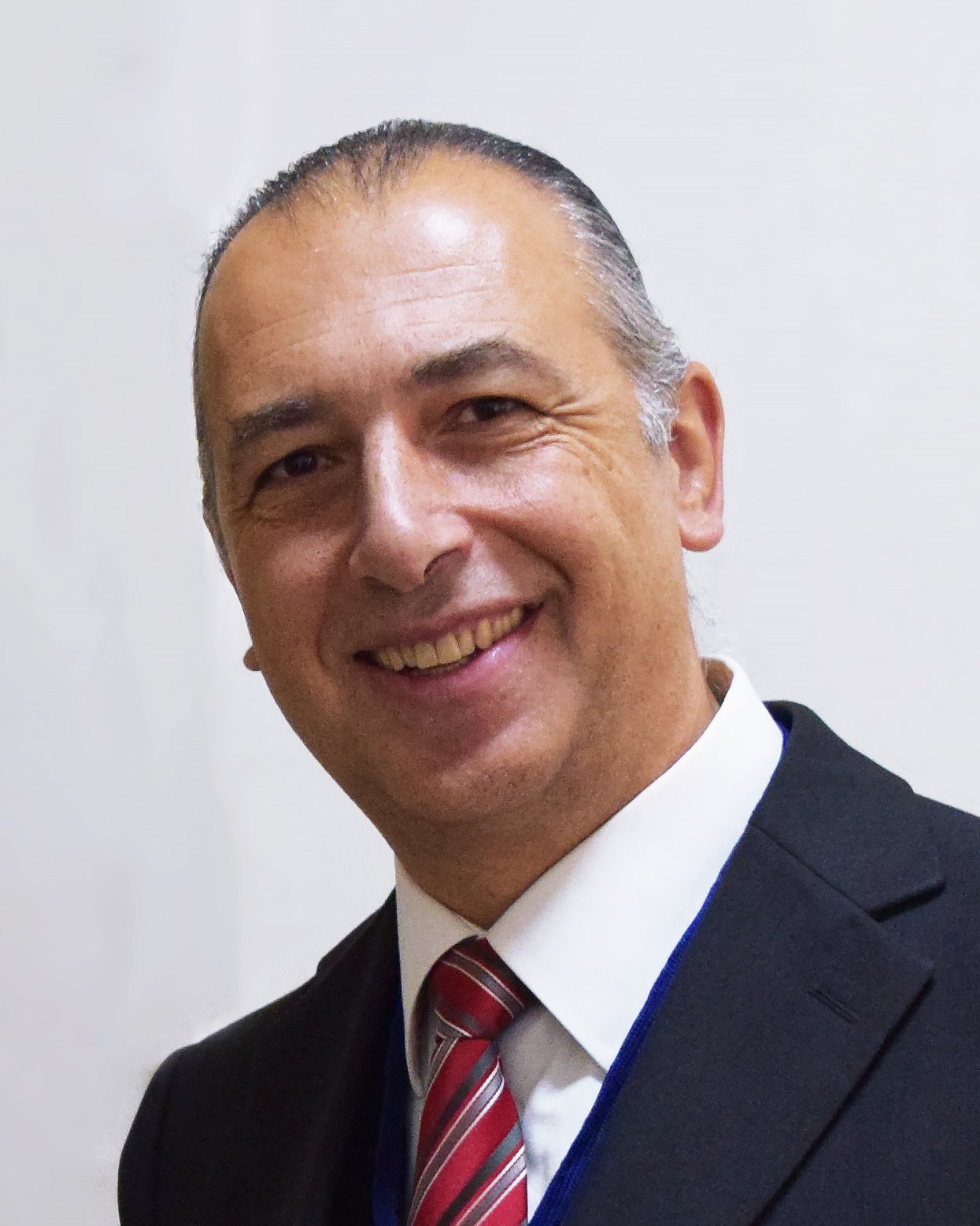
Since 2005, Prof. Sharmazanashvili has served as a Team Leader within the ATLAS Experiment at CERN, Geneva, Switzerland. He received his PhD in 1992 from Bauman Moscow State Technical University. In 2005, he completed his Doctor of Science (DSc) degree at Georgian Technical University. In 2010, he was awarded the State National Prize in the field of Information Technologies. In 2020, he received an Honorary Diploma from the Georgian Academy of Sciences for his scientific achievements in Mechanics and Informatics. Prof. Sharmazanashvili has served as Scientific Chair and Project Manager for 25 collaborative projects at CERN. He has supervised 4 PhD and 18 MSc theses. He is the organizer and chairperson of the annual South Caucasus workshops on computing in 2010, 2012, 2016, 2018, 2021, and 2022 organized in collaboration with CERN. He is the author of 6 books and 58 peer-reviewed scientific publications.
Detlef Hoyer
Dr. Detlef Hoyer has a PhD in theoretical electrical Engineering. He investigates Einstein-Maxwell equations derived from 5D Kaluza Relativity, where a scalar field occurs affecting both, gravity and electromagnetism. Recently he began to examine the 5D geodesic equation, which includes electomagnetic forces. Because geodesic equations are about acceleration and not about force, the term charge q over mass m has to be taken into account. Predictions of the theory are reduction of effective mass and a fifth force. Until it is not known, how to achieve those effects or even if they exist at all, his calculations aim for hints, how to arrange experiments for verification or falsification. Dr. Detlef Hoyer earned a college diploma in magnetism and low temperature physics in 1986. He completed his Ph.D. at the Hamburg University of Technology in 1992. Since then he worked as a software developer at a major German insurance company. In 2004 he started his research on Riemannian curvature of higher dimensional manifolds. Now he is an Alumnus of the Technical University of Hamburg in Germany and retired November 2024
Yuval Cohen
Professor (Ph.D) Yuval Cohen is a Senior Faculty Member at the Industrial Engineering department of the Afeka College of Engineering. His research area is focused on the improvement of industrial systems by integrating intelligent manufacturing, collaborative robots, and advanced technologies .
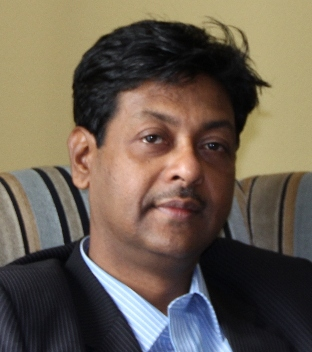
Subrata Sarkar
S. Sarkar, Distinguished Professor of the Department of Mechanical Engineering at the Indian Institute of Technology Kanpur, India, HAL Chair, Convener of Energy Conversion and Computational Turbomachinery Laboratories, received PhD. from Indian Institute of Technology, Madras. He also served the University of Calcutta and the University of Surrey, UK. Dr. Sarkar is involved in research over the last 30 years and contributed significantly to the fields of Turbomachinery, CFD, LES/DNS, Transition, and Turbulence. He has guided numbers of master/doctoral students and completed many industrial and sponsored projects. He has served as a technical expert on project-review committees of national importance, and numerous academic and administrative committees of the Institute. His research has enhanced the understanding and development of HP/LP turbines, high-lift blade design, and wake-induced transition phenomena. His studies on the influence of coherent and semi-coherent eddy structures on transitional boundary layers are not only application-relevant but also theoretically significant across various fluid dynamic systems. He delivered many invited lectures as a subject expert in India and abroad.
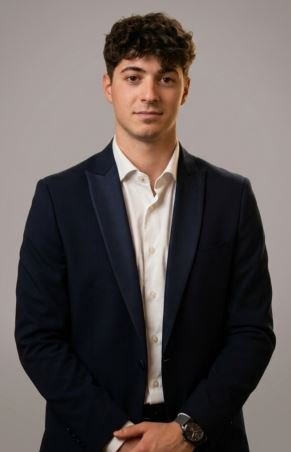
Riccardo Trevisiol
Riccardo Trevisiol is an Aerospace Engineering student at the University of Padua, with a strong focus on the analysis and testing of hybrid space propulsion systems. His journey with the university THRUST Team started in the Recovery division. There, he worked directly on CAD design, rapid prototyping, and the physical assembly of components, from folding parachutes to running ground deployment tests with black powder and CO2. His dedication led him to become the Recovery Team Lead. In this role, he took full responsibility for the dual deployment recovery system of a solid COTS sounding rocket. He designed the ejection mechanisms, optimized the parachute integration, and validated the activation timing. This hard work paid off during a successful launch campaign in Roccaraso, where the launch vehicle was safely recovered from an apogee of 1000 meters. Building on this practical experience, Riccardo is now the Team Leader of the entire THRUST Team, guiding a multidisciplinary group of 80 students. He currently oversees two major aerospace projects: an SRAD hybrid rocket powered by a Paraffin and N2O engine scheduled for launch in August 2026, and a solid COTS rocket preparing for the European Rocketry Challenge (EuRoC) in October 2026. Through careful systems engineering, he coordinates key milestones like PDR and CDR, manages budgets, and aligns team schedules to ensure mission readiness.