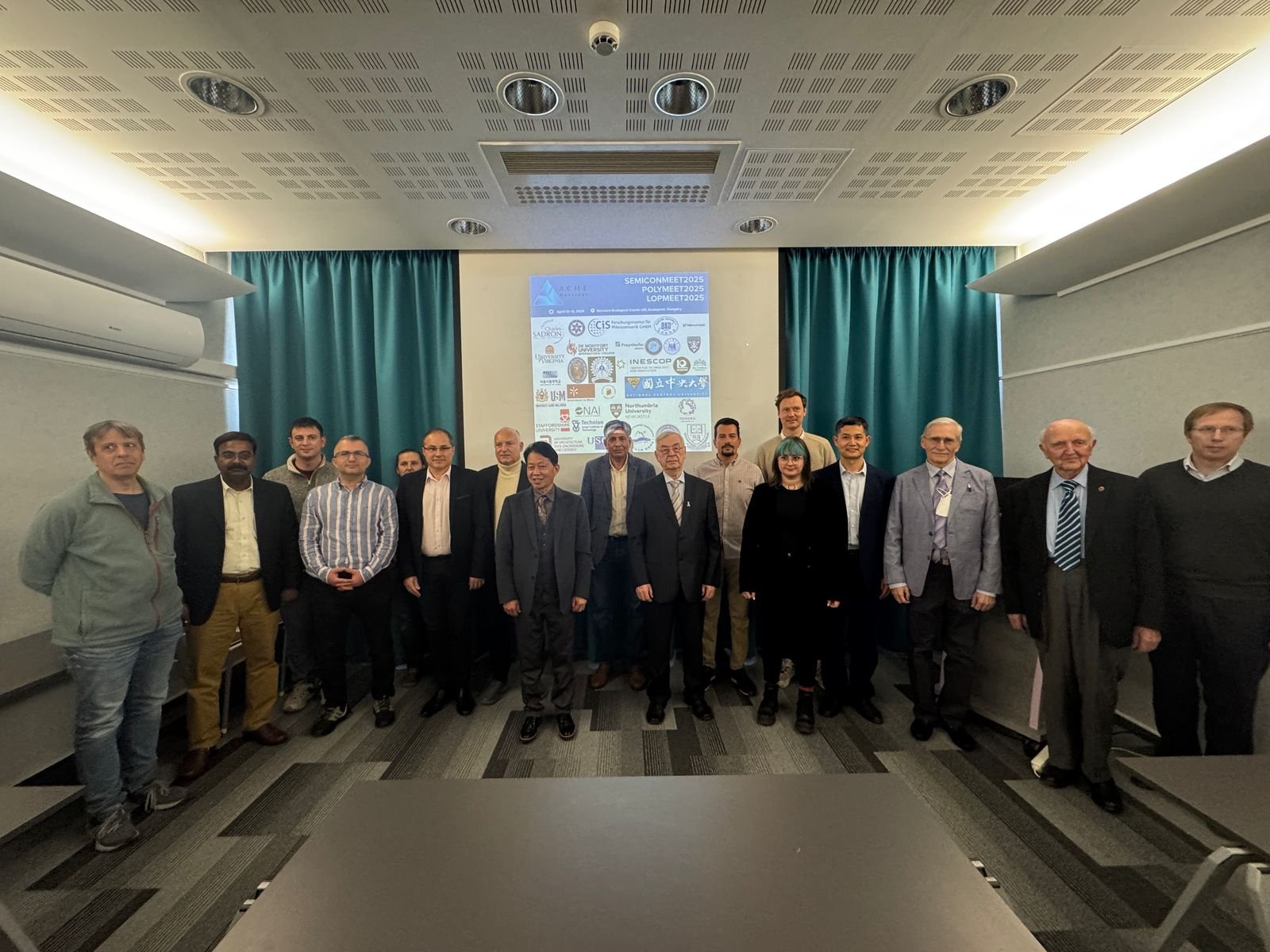
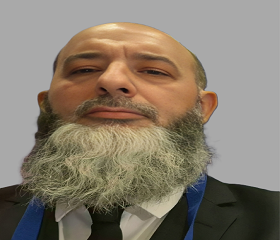
Thousands of international researchers, scientists and leaders will gather at the meeting.
Abstract Submission Deadline: Second Round of Submission Deadline June 29, 2026
EarlyBird Registration Deadline: March 28, 2026
Dear Esteemed Participants,
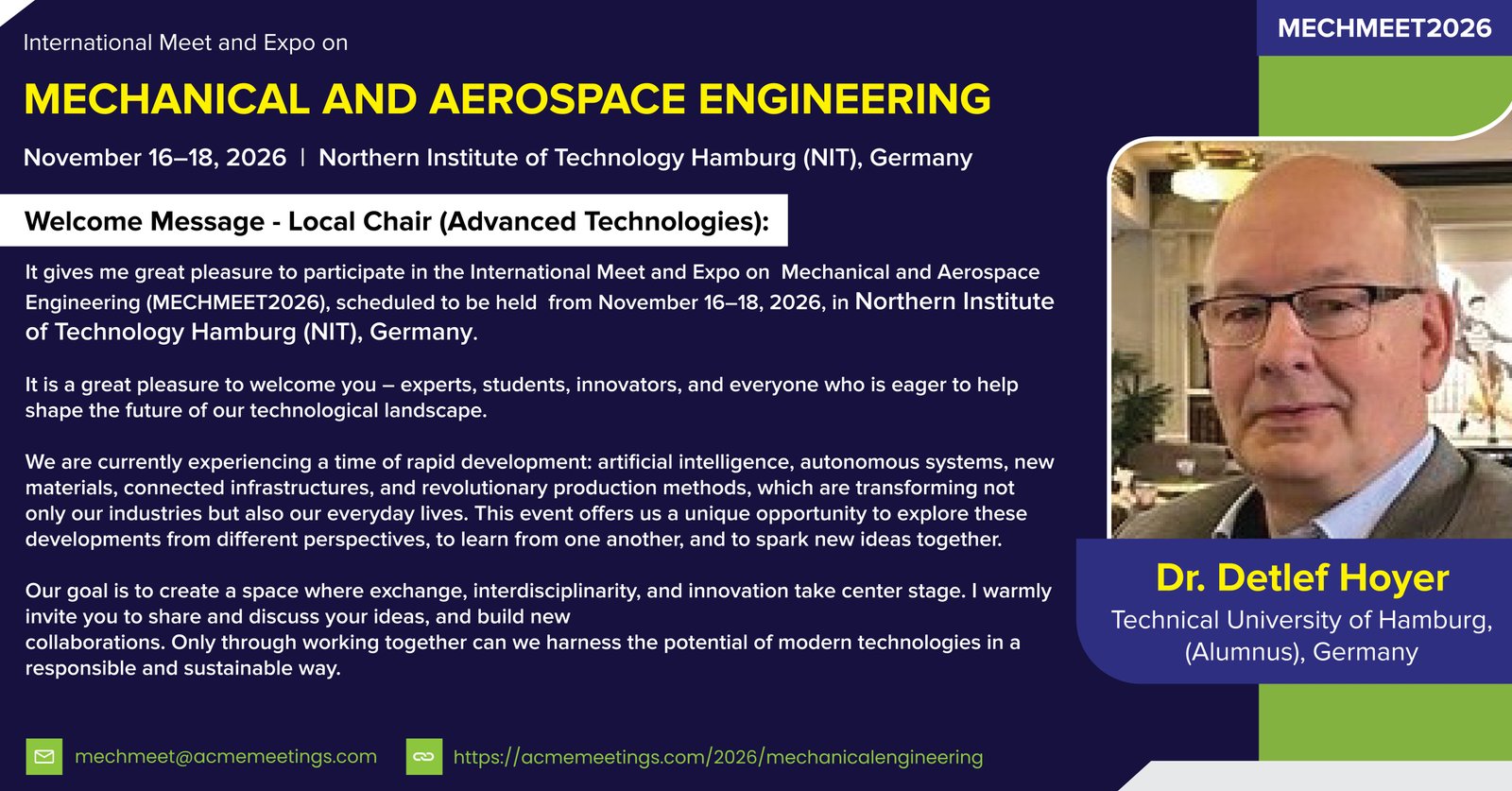
It is with utmost joy and excitement that we extend a warm invitation to all participants worldwide to join the International Meet & Expo on Mechanical and Aero Space Engineering (MECHTECH2026) in Northern Institute of Technology Management (NIT), Hamburg, Germany from November 16-18, 2026.
This conference promises to bring together visionaries and experts from around the globe. Attendees will have the unique opportunity to explore ground-breaking ideas and learn about future technologies through specially curated scientific sessions on Artificial Intelligence, Machine learning, Robotics, Nano Technology, Electric Vehicles and involving applications like structural Analysis and Design and Optimization, Supply Chain Management.
The future is looking brighter than ever for this industry! Don't miss out on this phenomenal opportunity for growth and success.
Mark your calendars for this momentous event that is set to revolutionize the future of Aero Space and Mechanical Engineering! We can't wait to welcome you to Germany for an experience like no other.
Warm Regards,
Program Secretary

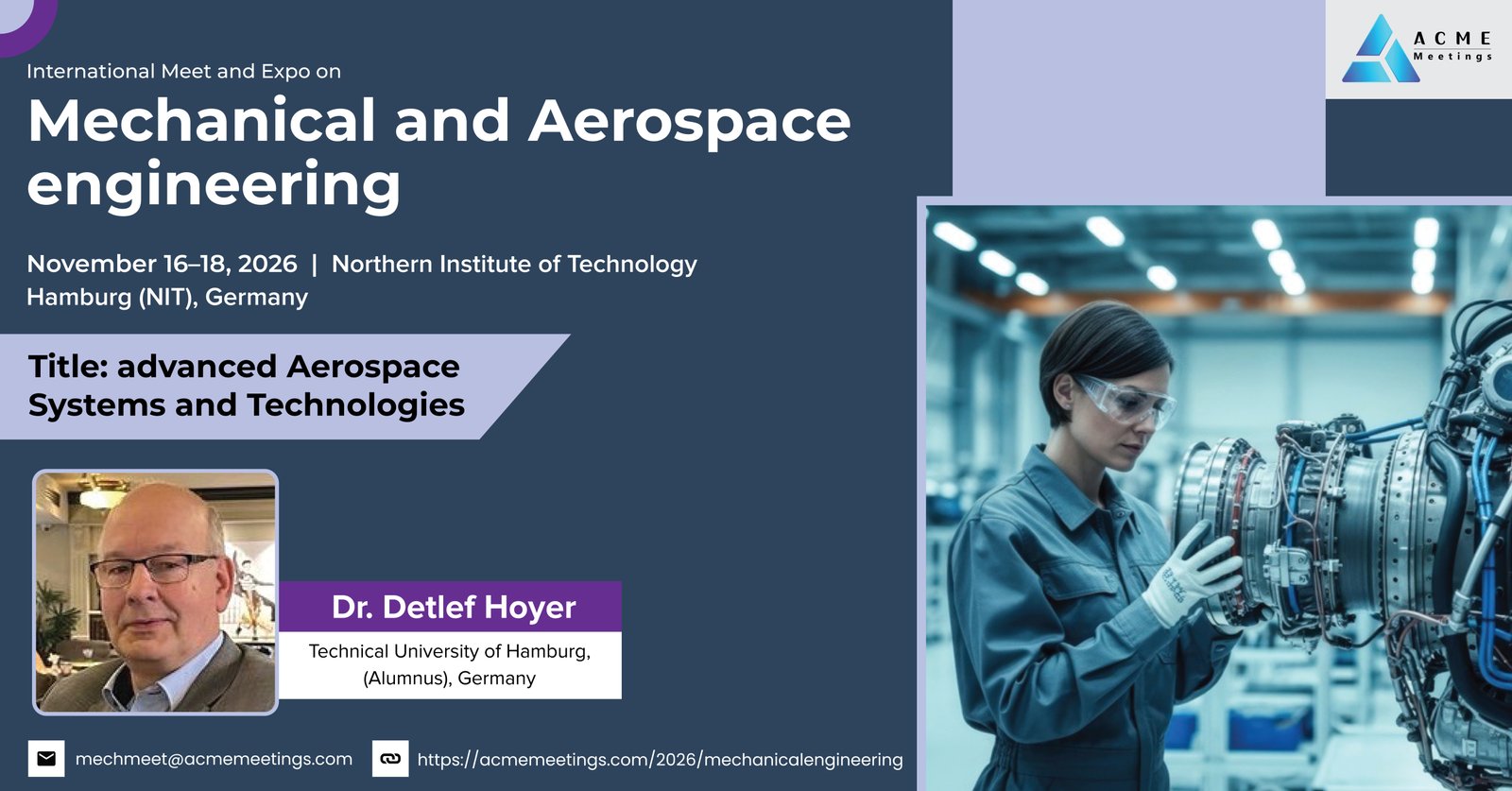
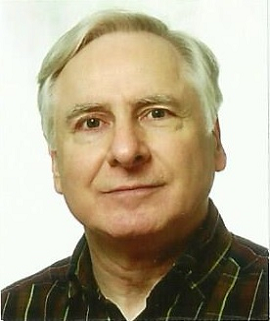
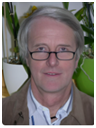
Dr. Detlef Hoyer has a PhD in theoretical electrical Engineering. He investigates Einstein-Maxwell equations derived from 5D Kaluza Relativity, where a scalar field occurs affecting both, gravity and electromagnetism. Recently he began to examine the 5D geodesic equation, which includes electomagnetic forces. Because geodesic equations are about acceleration and not about force, the term charge q over mass m has to be taken into account. Predictions of the theory are reduction of effective mass and a fifth force. Until it is not known, how to achieve those effects or even if they exist at all, his calculations aim for hints, how to arrange experiments for verification or falsification. Dr. Detlef Hoyer earned a college diploma in magnetism and low temperature physics in 1986. He completed his Ph.D. at the Hamburg University of Technology in 1992. Since then he worked as a software developer at a major German insurance company. In 2004 he started his research on Riemannian curvature of higher dimensional manifolds. Now he is an Alumnus of the Technical University of Hamburg in Germany and retired November 2024
Dr. Dou Zhang is an Assistant Researcher and M.S. Supervisor at Harbin Institute of Technology, China. Her research focuses on the mechanical behavior of shape memory polymer (SMP) composites and their application-oriented validation, with particular emphasis on constitutive behavior, thermo-mechanical coupling, and structure-function integration for deployable mechanisms. The SMP-based locking-and-release deployment mechanism developed by her team enabled the first dynamic unfurling of the national flag on China’s inaugural Mars mission, Tianwen-1. This achievement was selected as one of the “Top Ten Scientific and Technological Advances of Chinese Higher Education Institutions” in 2021.
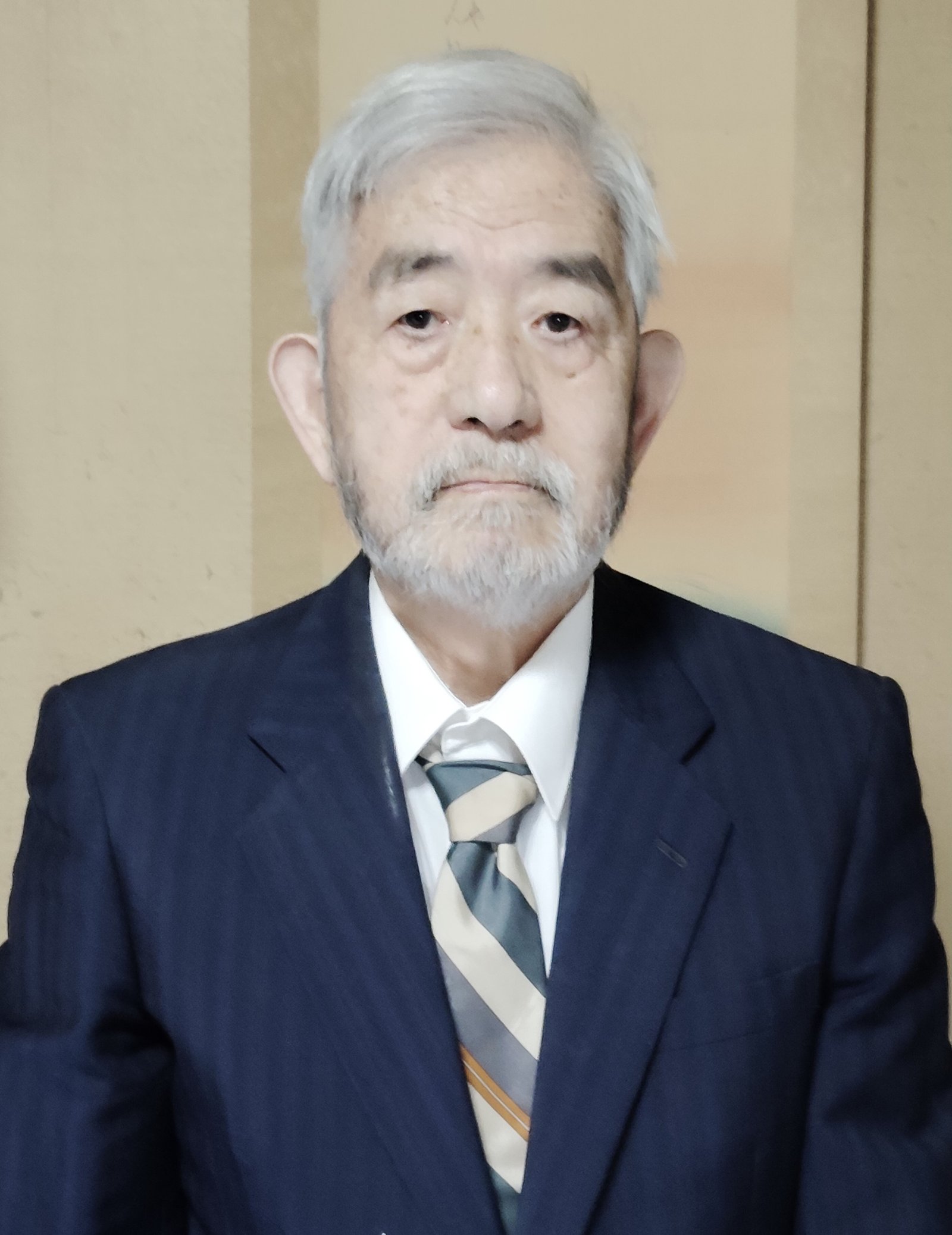
I was born on April 9, 1942, in Matsumoto City, Nagano Prefecture. In March 1960, I graduated from Suwa Seiryo High School and entered the Department of Applied Physics, Faculty of Science and Engineering, Waseda University. In April 1966, I joined Ricoh Co., Ltd., where I researched electrophotography technology. During that time, I made two very unique inventions. One is a one-shot two-color electrophotography method, which, like silver halide film, involves stacking two photosensitive layers with different light sensitivities, charging them positively and negatively, exposing them to a red-black image, and simultaneously creating positive and negative latent images of red and black, which are then developed with red and black toner. This device was exhibited at the 1980 Hanover Messe and received great acclaim. The second is a development method. Normally, in photocopiers, the developing material rubs against the surface of the photoreceptor. As a result, the latent image is disrupted, and high-resolution development is not possible. In my development method, the toner moves by hopping without touching the photoreceptor, and where there is a latent image, it is attracted to the latent image at the peak of its hopping motion and adheres to it. As a result, a very high-resolution toner image is developed. In 2006, I left the company and established the Electrostatic Power Generation Research Institute, where I am conducting research and development on electrostatic generators.
Born in 1940. I hold a PhD in Industrial Engineering from the OUTSIDE in the Polytechnic University of Madrid, and a degree in Physics from the Complutense University of Madrid. I have been engineer specialized in air conditioning installations, Consulting Engineer, public servant in the tax administration agency, Deputy Director General of the Ministry of Finance of Spain, responsible for the data processing center, professor at the Polytechnic University of Madrid and business advisor. With a group of collaborators, I have developed over the last fifty years a private research project in rotational dynamics, conducting experimental tests and proposing a scientific theory about the behavior of bodies subjected to acceleration, called the Theory of Dynamic Interactions. I have published more than thirty books on physics, engineering, and history, and numerous articles on these topics. Currently retired, but I continue working on research projects and writing books and articles.
Graduated in Physics at Roma University “La Sapienza” in 1977, with a thesis on X-Ray spectroscopy applied to Apollo Lunar Samples. Researcher at CNR then ESA Research Fellow at University of Sussex (UK). In 1985 employed at Agenzia Spaziale Italiana first as PA Manager, then as PM for ASI on Rosetta, Mars Express, MRO and the Cassini-Huygens Missions, Co-I of the Cassini Radar and of H-ASI; Chair 2006-10 of Philae Steering Committee; 2008-10: ASI Director of the Observation of the Universe department, Mission Science Director for LARES on VEGA 2012; ASI Chief Scientist from 2010 till retirement; Hemeritus PI of the SIMBIO-SYS instrument on BepiColombo; Vice-Chair and Chair of ESA SPC and Italian Delegate; Delegate to ESA PB-EO; from 2006 Professor of “Solar System Exploration “ at G. D’Annunzio” University-Chieti, Italy. Member of: IMEWG, MEPAG, MPSET, JMART, iMARS1, COPUOS ATEIn. Awarded as Officier de l’Ordre National du Mérite de France and as Exceptional Public Service Gold Medal by NASA; IAU named 18099-Flamini asteroid. More than 100 papers published and 3 books.
I was born on April 9, 1942, in Matsumoto City, Nagano Prefecture. In March 1960, I graduated from Suwa Seiryo High School and entered the Department of Applied Physics, Faculty of Science and Engineering, Waseda University. In April 1966, I joined Ricoh Co., Ltd., where I researched electrophotography technology. During that time, I made two very unique inventions. One is a one-shot two-color electrophotography method, which, like silver halide film, involves stacking two photosensitive layers with different light sensitivities, charging them positively and negatively, exposing them to a red-black image, and simultaneously creating positive and negative latent images of red and black, which are then developed with red and black toner. This device was exhibited at the 1980 Hanover Messe and received great acclaim. The second is a development method. Normally, in photocopiers, the developing material rubs against the surface of the photoreceptor. As a result, the latent image is disrupted, and high-resolution development is not possible. In my development method, the toner moves by hopping without touching the photoreceptor, and where there is a latent image, it is attracted to the latent image at the peak of its hopping motion and adheres to it. As a result, a very high-resolution toner image is developed. In 2006, I left the company and established the Electrostatic Power Generation Research Institute, where I am conducting research and development on electrostatic generators.
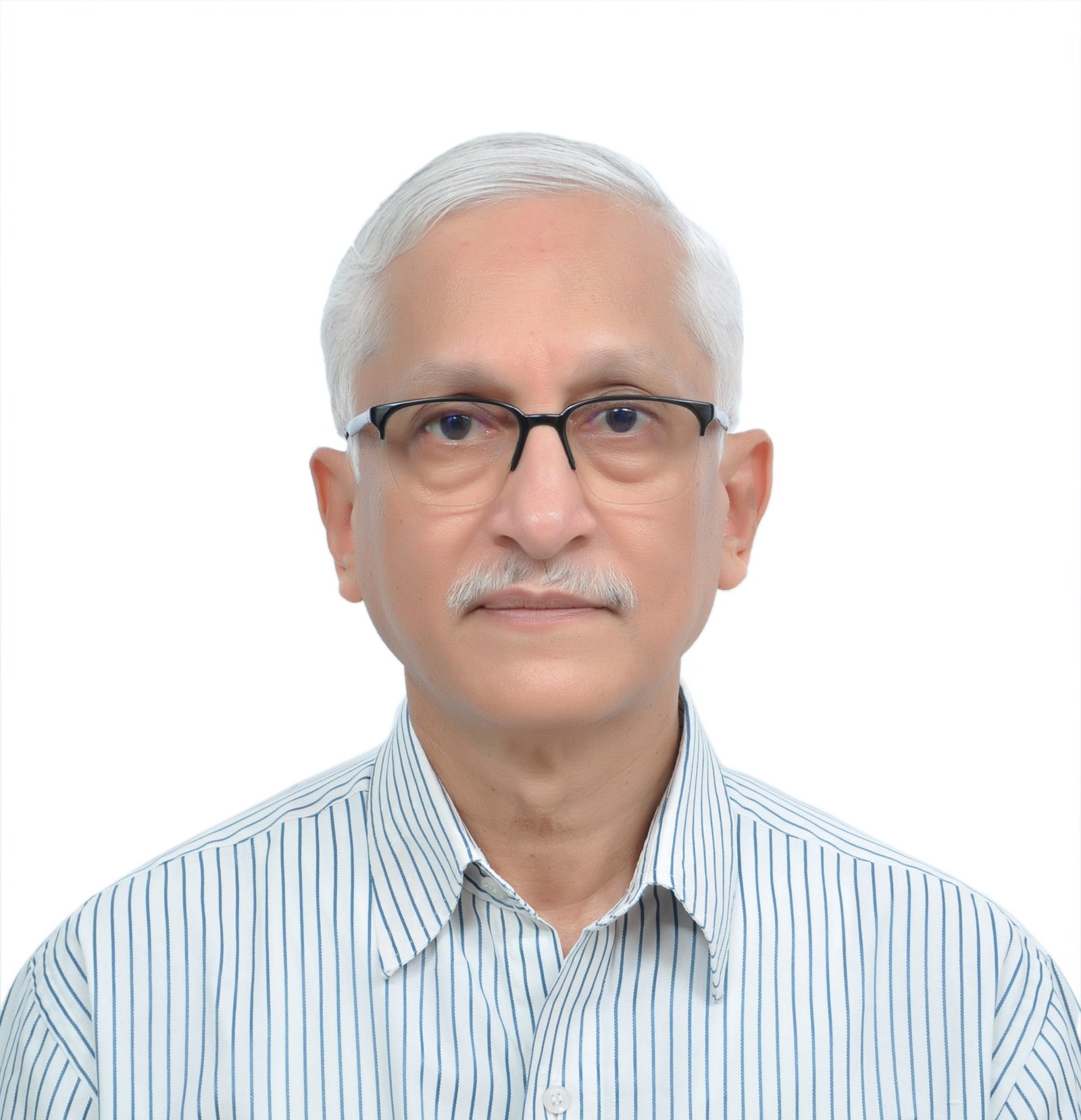
Ts. Dr. J Emerson Raja (Ph.D.) is currently an Assistant Professor in the Faculty of Engineering and Technology at Multimedia University (MMU), Malaysia. His technical expertise centres around applying soft computing techniques to monitor the health of machines. He was honoured with the notable commendation award by his alma mater, SRM University, India in conjunction with its Alumni Day on 12 March 2017. He was also honoured with the best executive award and group CEO merit award for the year 2014 from TM, the leading integrated telecommunication company in Malaysia. He has co-authored 3 books, Modeling Intelligence: Computational Techniques in Cognitive Systems published by Amazon in August 2025, A Textbook of Practical Neural Networks a kindle Edition by Amazon in July 2025 and C Programming for beginners, published by Pearson (Malaysia) in 2009. He has been a recipient of the excellent teaching award four times, for the year 2012, 2013, 2016 and 2024 from the president of Multimedia University, Malaysia. He was also the recipient of the best research poster award in the MMU-Infineon technical symposium 2011. Dr. Emerson Raja received his bachelor’s and master’s degrees in Computer Science and Engineering from University of Madras, India in 1989 and 2001 respectively. His PhD degree was awarded by MMU, Malaysia for his research on “Intelligent Machine Condition Monitoring” in 2014. He has conducted successfully the Malaysian Government funded MTCP training program for 15 international participants form 14 August to 25 August 2017 at MMU. He was one of the speakers of the "International Teaching Week" at Hof University of Applied Sciences, Germany in June 2013. As a SENIOR member of IEEE, he has actively contributed as invited speaker in several technical symposiums arranged by IEEE Signal Processing Society of Malaysia. He had provided key-note speeches in many International Conferences in Malaysia, India, China, Dubai and Saudi Arabia. He has been invited twice as a guest speaker in MAL technical & innovation symposium on 21 November 2013 and 30 October 2014 at Infineon, a German based company in Malaysia. He was also awarded the silver medal by the Ministry of Higher Education, Malaysia, for his poster in the Innovative Practices in Higher Education Expo 2014 (I-PHEX 2014). Given a talk on “Peer Tutoring in Higher Education” at ASAIHL Conference, Tokio Japan in March 2018. He has been invited to Chonnam National University, South Korea, for their international summer session 2018, as international visiting scholar. He had given a talk on “Digestive health” at Gwanju International Centre, South Korea on 21st July 2018. He had also given the same talk on Digestive Health at Australian Radio SBS Tamil (2018) and it is available online. Being a HRDF certified trainer, he has conducted many workshops and delivered seminars on “The Role of Responsible AI in IR5,0”
Biography of Friedhelm M. Jöge Friedhelm M. Jöge, born in 1943, worked in a scientific laboratory after studying chemistry and mathematics textbooks at a young age and after studying chemical engineering. He then worked in development departments in the chemical and pharmaceutical industries. The focus of his work was in the field of biochemistry and macromolecular chemistry. His interest are the synopsis of various physical, chemical and biological knowledge as well as questions of origin of life and ethics in the field of tension between faith and science. In particular, he dealt with the concept of information. He is married, has a daughter and three Grandchildren. He also loves music and chess. His contributions to science are five articles: 1. Quantum Gravity 2. Theory of Dark Energy 3. Information & Effect: An Introduction to the Concept of Immanence as a Physical Quantity 4. Calculation of Dark Energy and Dark Matter 5. Time is Energy and Dynamic Information (Information flow) 6. Equivalence of Information and Immanence
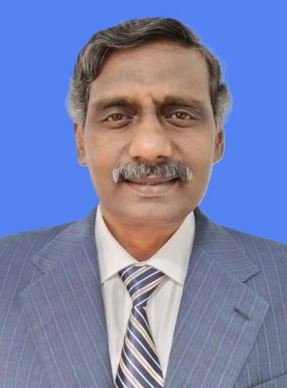
Dr. Jadav Chandra Mandal holds the position of senior professor in the Department of Aerospace Engineering at the Indian Institute of Technology Bombay, India. He obtained his bachelor’s degree in Aeronautical Engineering from the Indian Institute of Technology Kharagpur in 1982, followed by a master’s in Aerospace Engineering from the Indian Institute of Technology Madras in 1984. Subsequently, he served as a scientist at the Vikram Sarabhai Space Centre, Indian Space Research Organization, from 1984 to 1985. Dr. Mandal completed his doctoral studies in Aerospace Engineering at the Indian Institute of Science, Bangalore, in 1990, before assuming a faculty position at the Indian Institute of Technology Bombay. His research group primarily focuses on pioneering numerical algorithms for tackling both single and multi-phase incompressible flows, alongside all Mach number compressible fluid flows, and fluid-structure interaction. In recent times, his team has been actively involved in advancing Riemann solvers for the analysis of deformation and wave propagation in solids. Dr. Mandal has been honoured with prestigious awards including the J. R. D. Tata Fellowship at the Indian Institute of Science, Bangalore (1987-1990), and the Alexander von Humboldt Fellowship in Germany (2002-2003).
Dr. Chung Yuan Kung is Professor Emeritus in the Department of Electrical Engineering at National Chung Hsing University, Taichung, Taiwan. He earned his BS (1969) and MS (1972) in Physics from National Tsing Hua University, an MS in Physics from the University of Alabama in Huntsville (1974), and a PhD in Materials Science from Northwestern University (1979). After postdoctoral research at Georgia Tech and Lawrence Livermore National Laboratory and six years in the U.S. semiconductor industry with Fairchild and National Semiconductor, Dr. Kung joined Taiwan’s ITRI in 1987 and served on NCHU’s faculty from 1991 until his retirement in 2016. His 2024 publications represent a culmination of decades spent unraveling the deep connections between geometry and materials.
Joseph P. Firmage is a researcher and author developing Potentum Physics, a geometric-algebra approach that presents atoms, fields, and coherence as conjugate rotations of interlinked flux. Through the ORIGAMI Physics Observatory and the Academy of Science and Arts, his work pairs classical field intuition with GA rotors and high-fidelity visual plates—codified as Canon 12, a publication standard for accessible, equation-light pedagogy. Recent KAIROS reports include The Loving Atom (Canon 12) and ongoing studies connecting quasar jet torsion, hydrogen spectroscopy, and molecular resonance to macroscopic design principles relevant to sustainable habitats. His current focus is translating these insights into practical frameworks for science education, materials thinking, and ecosystem-aligned engineering on Earth and future Martian settlements.
Sergi Alegre is a seasoned expert in airport and aviation affairs with extensive experience across Europe and Spain, focusing on airport regions, sustainable mobility, and urban-airport integration. He has held key leadership roles, including Director General of the Airport Regions Council (2018–present) and President of the same organization (2011–2016). In Spain, he served for many years as Vice-Mayor of El Prat de Llobregat, overseeing urban planning, environmental, and mobility policies. He has also contributed to national aviation governance through roles in the Spanish Observatory of Cities and Airports, the Committee of Spanish Cities with Airports, and the Environmental Committee of Barcelona–El Prat Airport. His work extends to European Union-funded projects related to airport sustainability, noise management, decarbonisation, regional employment, and multimodal transport systems. He has also been actively involved in multiple advisory boards for aviation research initiatives across Europe. In addition, he has contributed to publications on airport cities and aviation governance, including studies on airport-driven economic development and planning. A frequent international speaker, he has participated in numerous conferences across Europe, Asia, and the Americas, sharing expertise on smart airports, regional aviation development, and sustainable air transport.
Massimiliano Tosini is a graduate student in Aerospace Engineering at the University of Padua, with a strong focus on propulsion systems, launch vehicle development, and experimental testing. His academic path combines advanced engineering studies with hands-on experience in applied aerospace projects. For the past two years, he has been part of THRUST, the student rocketry team of the University of Padua, where he serves as Head of the Propulsion Department and Technical Lead of the team’s new launch vehicle. In this role, he coordinates activities related to propulsion system development, integration, testing, and technical decision-making within a multidisciplinary engineering environment. His previous experience includes work on the development of a solid-propellant rocket, with activities related to propulsion-oriented design, structural integration, component manufacturing, and flight simulation. This background has strengthened his ability to connect theoretical engineering knowledge with practical design, testing, and validation processes. Massimiliano’s profile combines aerospace propulsion, vehicle-level system integration, simulation, programming, and aviation operations. He holds a Private Pilot Licence and drone-related certifications, which further support his understanding of flight systems from both technical and operational perspectives. He is particularly interested in propulsion technologies, launch systems, experimental validation, and simulation-based design for advanced aerospace applications.
Melanie Berg is the Founder and CEO of Space R3 LLC, with over 37 years of experience in ASIC and FPGA design, verification, and reliability for space systems. She has supported numerous NASA missions, including FPGA design contributions to New Horizons: Pluto and Beyond. She spent more than 20 years at NASA’s Goddard Space Flight Center in the Radiation Effects and Analysis Group, where she led advanced research in radiation effects and mitigation for microelectronics operating in harsh environments. She authored NASA FPGA radiation effects test guidelines and developed best practices for mitigation strategies now used across the industry. Her expertise includes ionization effects, error-response characterization, robust design and verification methodologies, and hardness assurance for spaceflight systems. She has published and presented extensively on improving the reliability and survivability of critical space electronics.
Dr. Ing. Marcel Graf is a researcher and academic in the field of Advanced Manufacturing Technology and Metal Forming. He was born on 29 June 1985 in Karl-Marx-Stadt (now Chemnitz), Germany, and currently serves as a Research Associate, Project Manager, and Chair of Materials and Surface Engineering at the Institute of Materials Science, Engineering, and Manufacturing at Chemnitz University of Technology, Germany. He completed his secondary education at Albert Schweitzer School in Zschopau and later earned his Diploma in Mechanical Engineering from TU Bergakademie Freiberg, specializing in Research and Development for Metal Forming Technology, Metallurgy, Foundry, and Forming Machines. He further obtained his Ph.D. from TU Bergakademie Freiberg with research focused on the “Development of Forming Behaviour of Oxide Scale in Metal Forming Processes under Hot Strip Rolling.” Dr. Graf has extensive expertise in product development, process engineering, virtual production engineering, and tribology in metal forming. His technical skills include CAD and simulation software such as Pro/Engineer, Siemens NX, PTC Creo, SolidWorks, MSC Simufact Forming, LS-DYNA, and ANSYS. Over the years, he has contributed significantly to research in hot rolling, bulk metal forming technology, and scale formation, and has participated in numerous international seminars, conferences, and scientific committees. He is fluent in German and English, with basic knowledge of Russian.
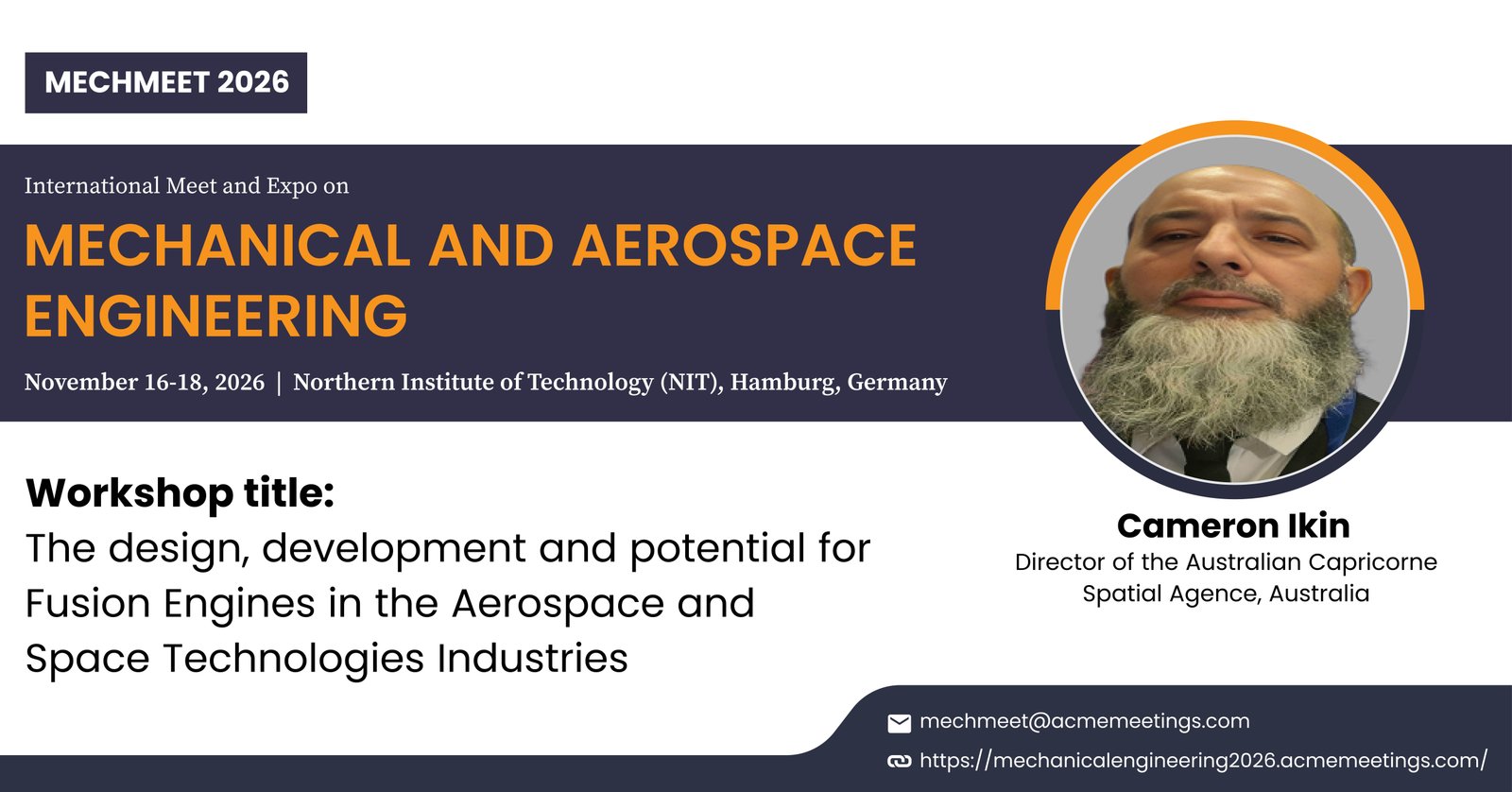
Cameron Ikin is the Director of the Australian Capricorne Spatial Agence, bringing extensive expertise in spatial technologies, agency leadership and innovative research that supports the rapidly evolving new space economy. His work uniquely bridges visionary theory with real-world applications, positioning him as a leading voice in global astrophysics and space innovation.
Shortened version Oliver holds a PhD in Mathematics from UC Berkeley and an executive MBA from Stanford, and is an innovator with expertise in Data Visualization, Statistics, Machine Vision, Robotics, and AI. As a serial entrepreneur, he has founded three companies and contributed to two successful exits. At his latest company, smartR AI, Oliver King-Smith spearheads innovative patent applications harnessing AI for societal impact, including advancements in health tracking, support for vulnerable populations, and resource optimization. Throughout his career, Oliver has been dedicated to developing cutting-edge technology to address challenges, and today smartR AI is committed to providing safe AI programs for manufacturing, MHI and SCM, and resource optimization, within your own secure and private ecosystems.
Jerry Zeyu Gao is a professor at the Department of Computer Engineering at San Jose State University, California, USA. Now, he is the steering board chair of The IEEE International Congress on Intelligent and Service-Oriented Systems Engineering (CISOSE) from 2016-present, and steering board and organization chair of IEEE Future Technology Summit from 2019 – Present. In addition, he is the director of SJSU research center on Smart Technology, Computing, and Complex Systems. He had over 27 years of academic research and teaching experience and over 10 years of industry working and management experience on software engineering and IT development applications. He has published three technical books and over hundreds (350) publications in IEEE/ACM journals, magazines, international conferences and workshops. His Google Scholar citation is over 10,500+ and his ResearchGate reads is over 388K+. His current research areas include machine learning, smart cities, AI test automation, AI clouds and mobile clouds. In 2010, Jerry Gao has been recognized by University of Texas at Arlington as a distinguished Alumna for College of Engineering at its 50th anniversary. In 2011, he was award as a KSI Fellow in SEKE2011. In 2013, Dr. Gao has received the College of Engineering Faculty Award for Excellence in scholarship, Dr. Gao served as an editorial board member and an associate editor for numerous international journals in software engineering, machine learning, and smart cities, such as IEEE Software, Journal of Smart Cities, Energies, and Agriculture. Dr. Gao has been included and listed in Marquis American Who's Who 2020-2022. In last 10 years, Dr. Gao has played as one of leaders in organizing many international conferences and workshops as a conference co-chair, program co-chair, and workshop co-chair. Now, he is the steering board chair for IEEE CISOSE congress and IEEE Future Technology Summit, and the steering board member for IEEE Smart World Congress. IEEE CISOSE congress includes IEEE BigDataService, IEEEAITest, IEEE Intelligent Mobile Cloud, IEEE SOSE, and IEEE DAPPS. In addition, he served as a chair for many other conferences, such as IEEE CAI2025, IEEE AITest2025, IEEE BigDataService*, IEEE MobileCloud*, IEEE Smart World Congress 2017, Smart City Innovation 2017, SEKE06-2016, IEEE SOSE2011-2013, ICYCS'05, TQACBS2005-2006, WMCS2004-2010, IEEE EMOBS07-08, TEST'07, and EECC2006. Today, Dr. Gao has served as an editorial board member for numerous archived journals. Recently, He has been invited by many international conferences as a keynote speaker to address topics in Ai Test Automation, Smart Cities, UAV AI cloud, Green Energy Ai Cloud, Smart Agricultures, and Intelligent Wildfire Platforms.
Graduated in Telecommunications Engineering from the Military Institute of Engineering (1982), Master in Electrical Engineering from the State University of Campinas (1989), PhD in Electrical Engineering from Poli USP (2015). Currently is full professor at Universidade Paulista (UNIP). Has experience in the area of Electrical and Computer Engineering, with emphasis on Telecommunications Systems, Networks and Computer Architecture, acting mainly on the following theme: Algorithms and protocols to ensure QoS in wireless sensor networks for applications in IoT- Internet of Things. Currently performs research with Graphene as a substrate for electronic circuits with applications in Wireless Sensor Networks and Quantum code applications for quantum computing.
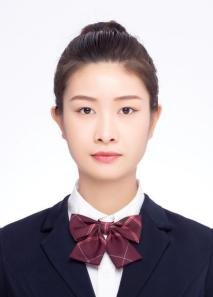
Professor (Ph.D) Janusz Rębielak, born in 1955, he studied architecture mainly in the field of engineering design of spatial structures, he obtained the Ph.D. in 1982 at the Wroclaw University of Science and Technology, in Poland. His scientific interests are very broad and concern mainly the methods of calculations of statically indeterminate trusses as well as the methods of numerical shaping and design of spatial structures intended for civil engineering particularly in area of lightweight roof structures and foundation systems of heavily loaded buildings placed on soils with low bearing capacity or located in seismically active areas, while in area of aviation and aerospace engineering his research is focused in design of VTOL aircrafts and a specific type of manned spacecraft. He published numerous papers, including three monographs, he obtains five patents. He is retired professor of the Cracow University of Technology, Poland, where he recently has been a head of Chair of Structures and Construction Engineering. He is married since 1980, has three children.
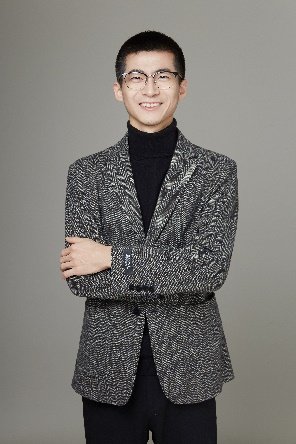
Dr. Dou Zhang is an Assistant Researcher and M.S. Supervisor at Harbin Institute of Technology, China. Her research focuses on the mechanical behavior of shape memory polymer (SMP) composites and their application-oriented validation, with particular emphasis on constitutive behavior, thermo-mechanical coupling, and structure-function integration for deployable mechanisms. The SMP-based locking-and-release deployment mechanism developed by her team enabled the first dynamic unfurling of the national flag on China’s inaugural Mars mission, Tianwen-1. This achievement was selected as one of the “Top Ten Scientific and Technological Advances of Chinese Higher Education Institutions” in 2021.
Xiaozhou Xin, Harbin Institute of Technology, Associate Professor. He is engaged in the research on the mechanical behavior of smart polymer composites, multifunctional metamaterials, smart deformation structure design and aerospace applications. He has published 27 SCI articles in Advanced Functional Materials, International Journal of Extreme Manufacturing, Chemical Engineering Journal, Composites Part B, Small and other journals. He has been selected for the 10th Young Talent Support Project of China Association for Science and Technology.
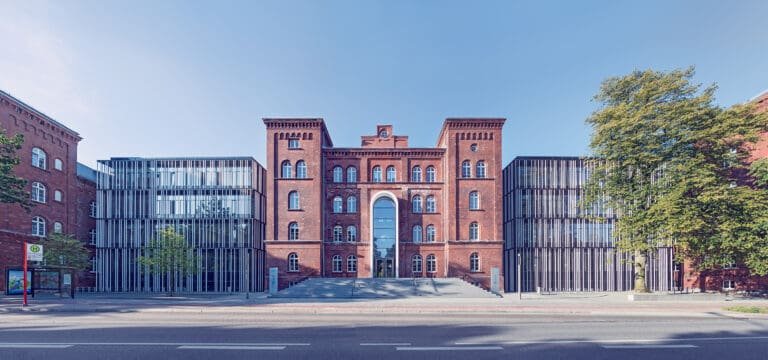
MECHMEET 2026 will be held at the Northern Institute of Technology Management (NIT), Hamburg, Germany, a prestigious academic institution known for excellence in engineering, technology, and management education. Hosting the conference at NIT provides an outstanding academic environment, world-class infrastructure, and strong industry–academia connections, making it an ideal venue for global researchers, academicians, and industry professionals.
Beyond the conference, Hamburg is one of Germany’s most vibrant and internationally connected cities. Renowned as a major hub for engineering, aerospace, maritime industries, and innovation, Hamburg offers participants valuable opportunities for professional networking and industry exposure. The city is also famous for its rich cultural heritage, historic harbor, modern architecture, and lively waterfronts. With excellent transport connectivity, diverse cuisine, and a welcoming international atmosphere, Hamburg promises a memorable academic and cultural experience for all attendees.