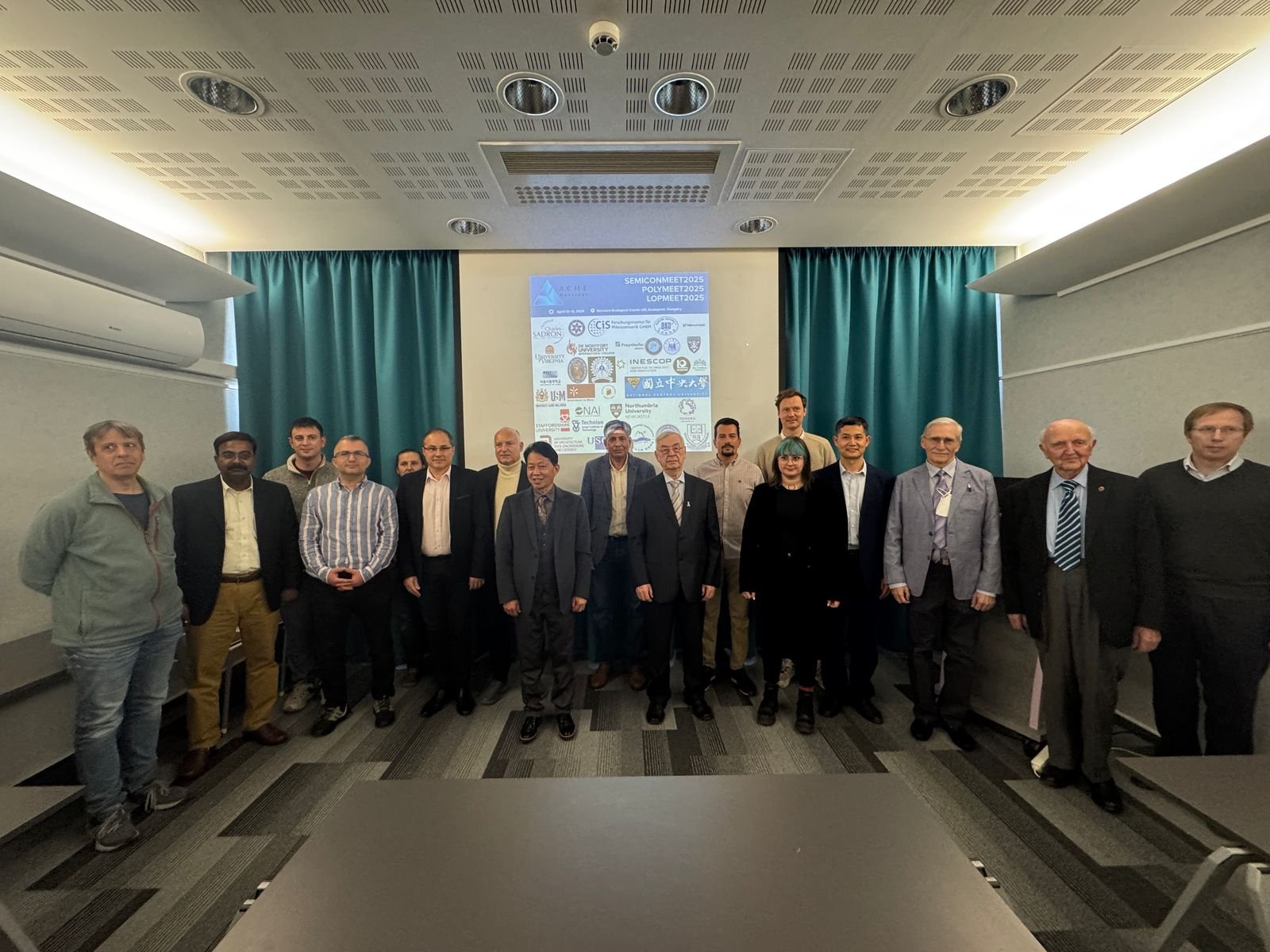
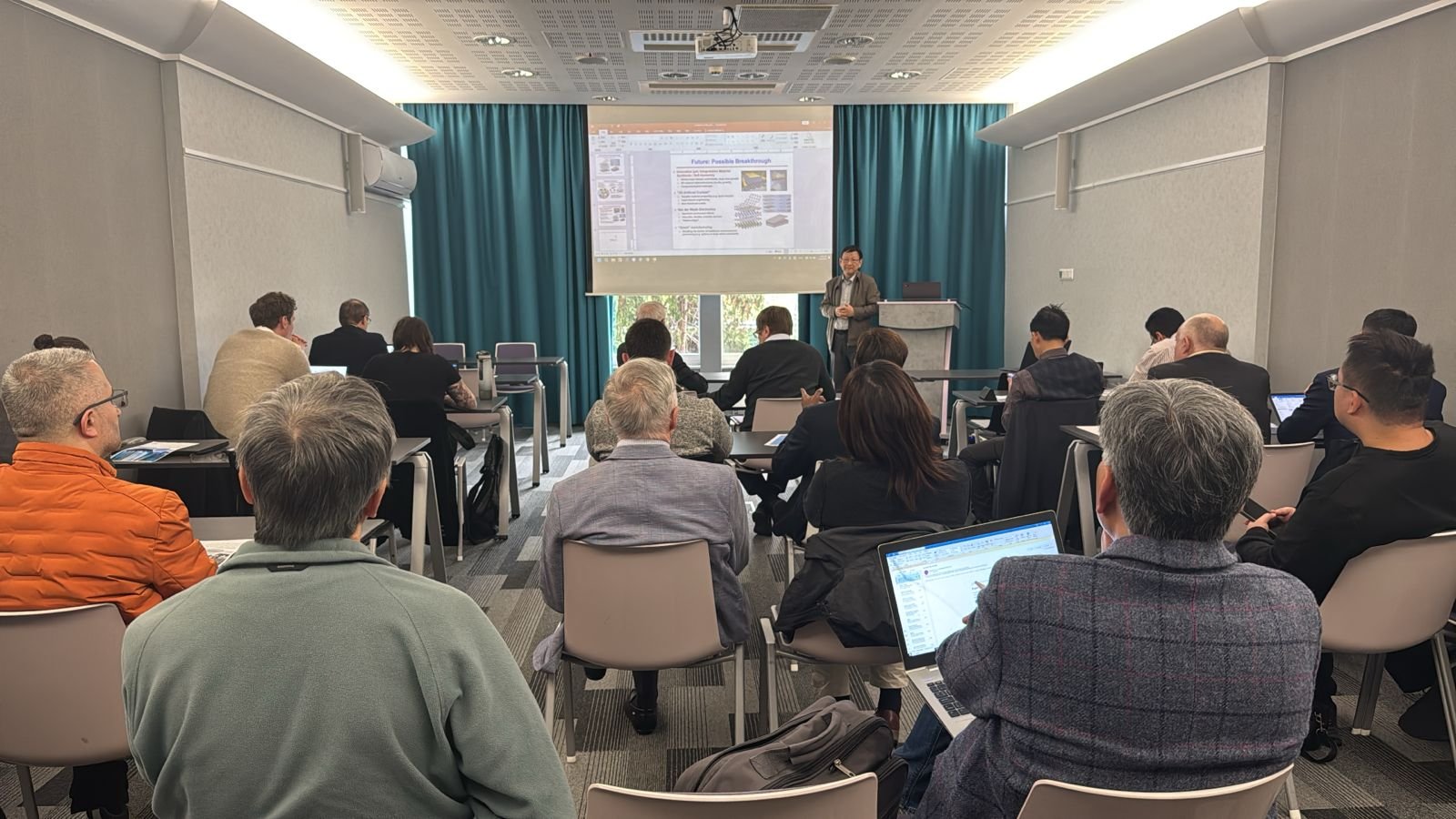
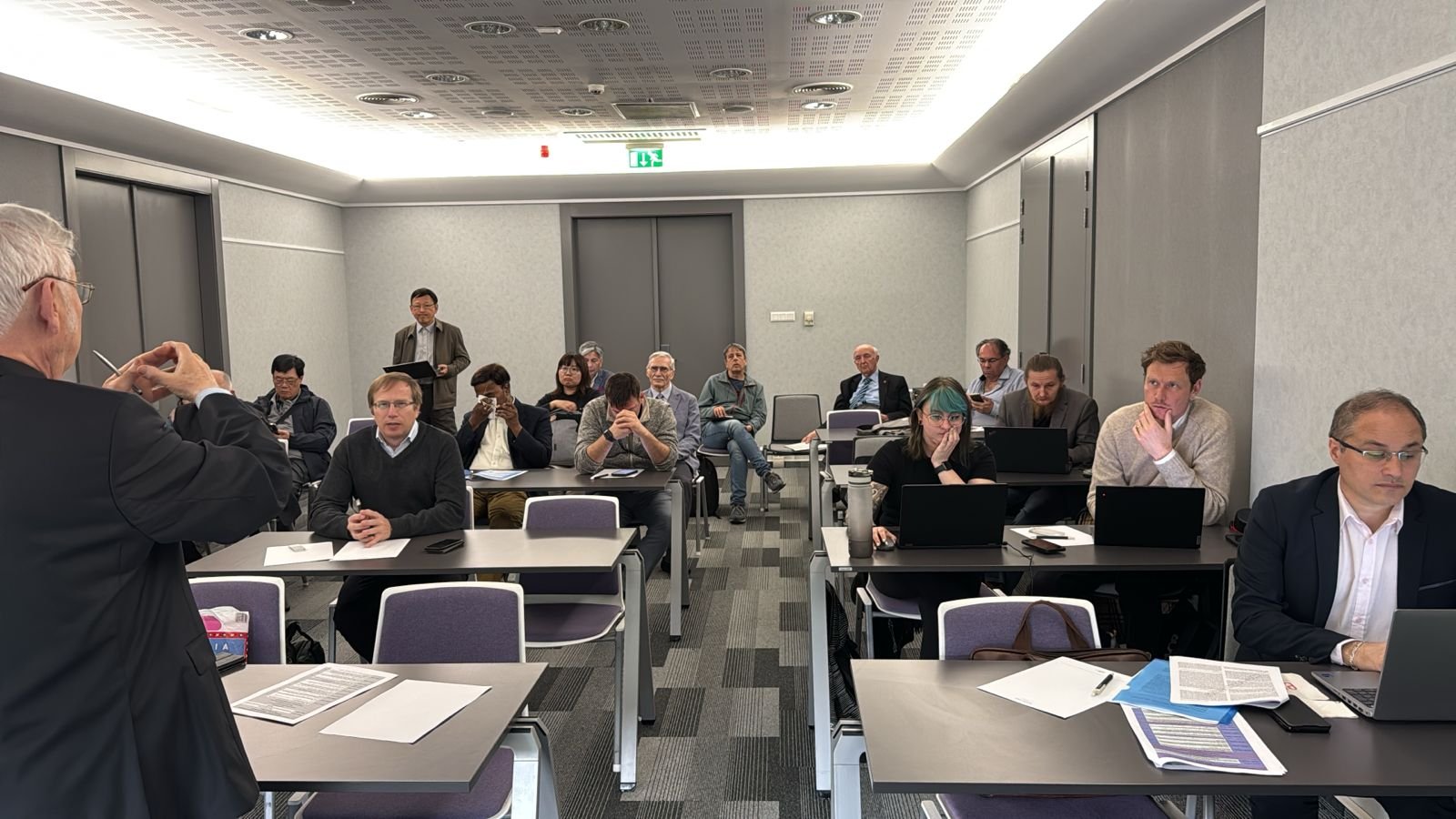
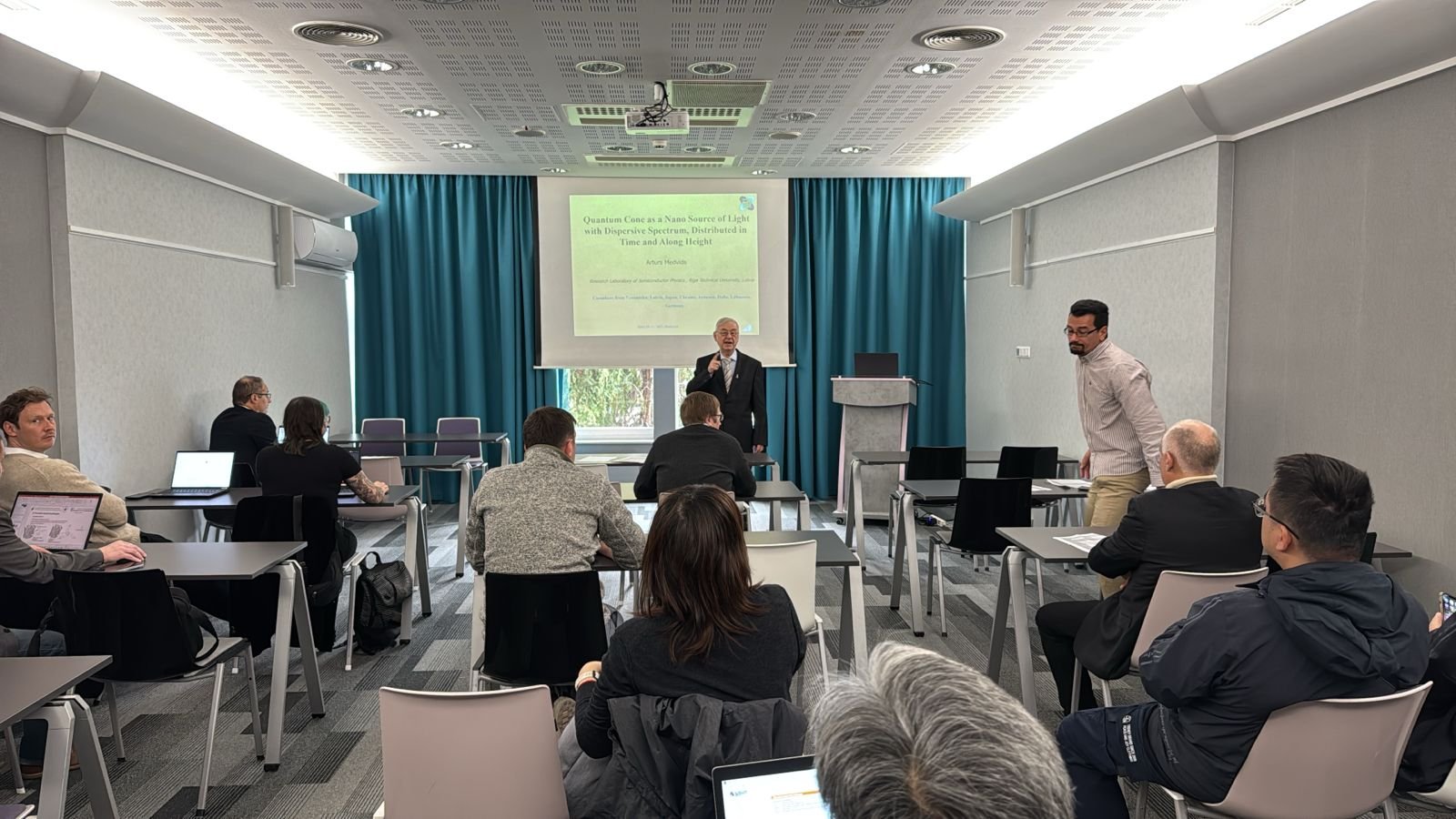
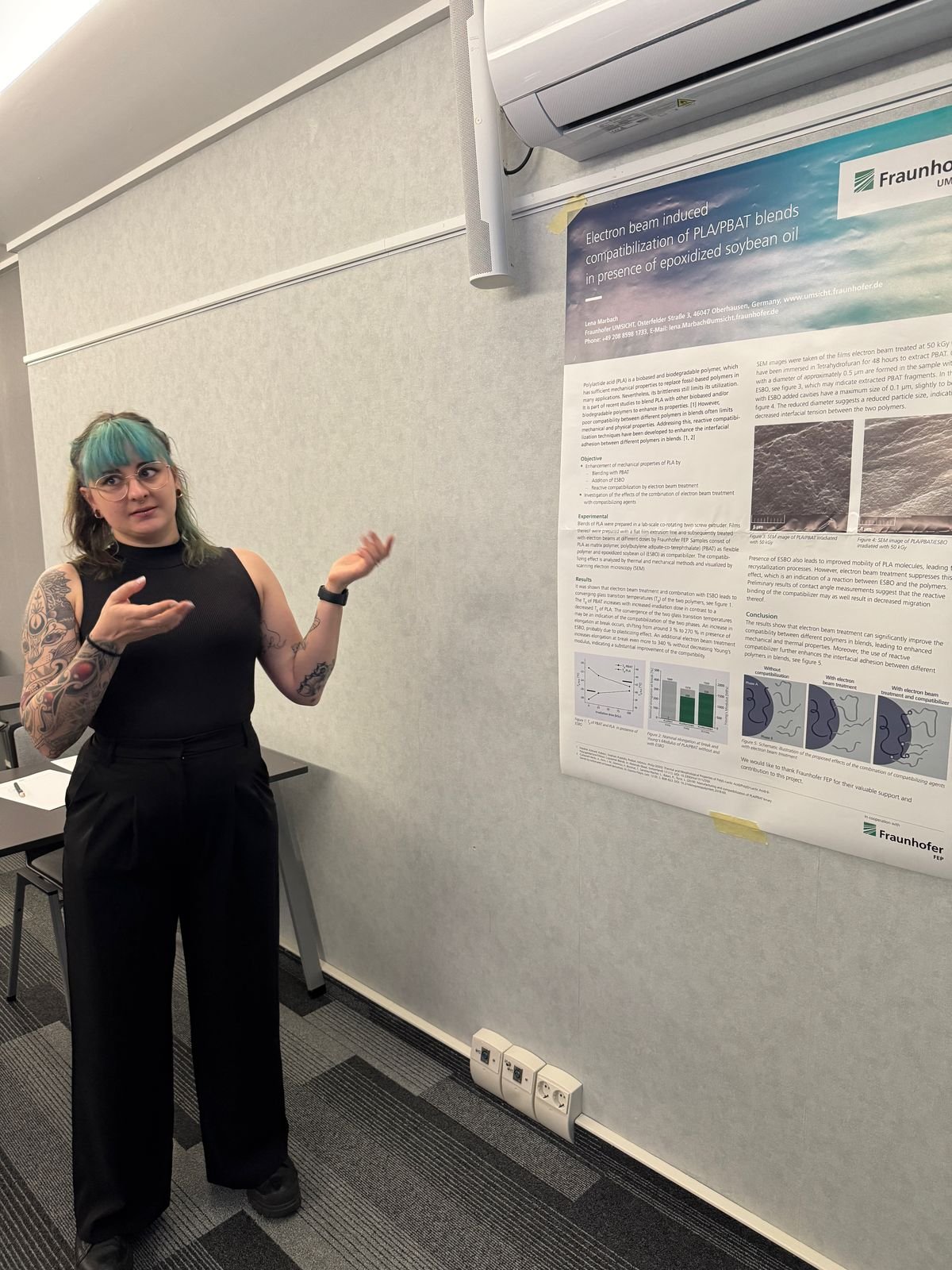
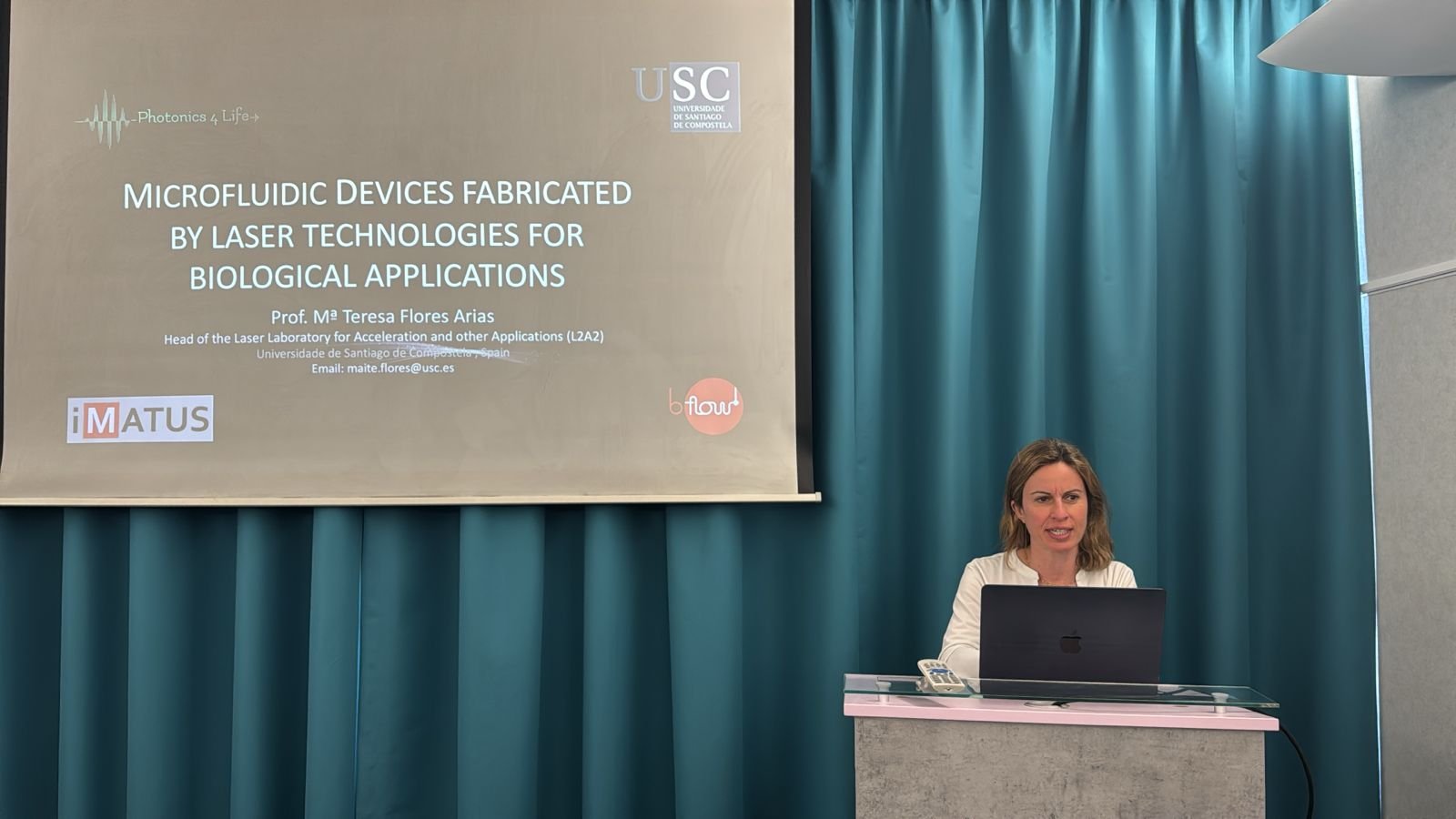
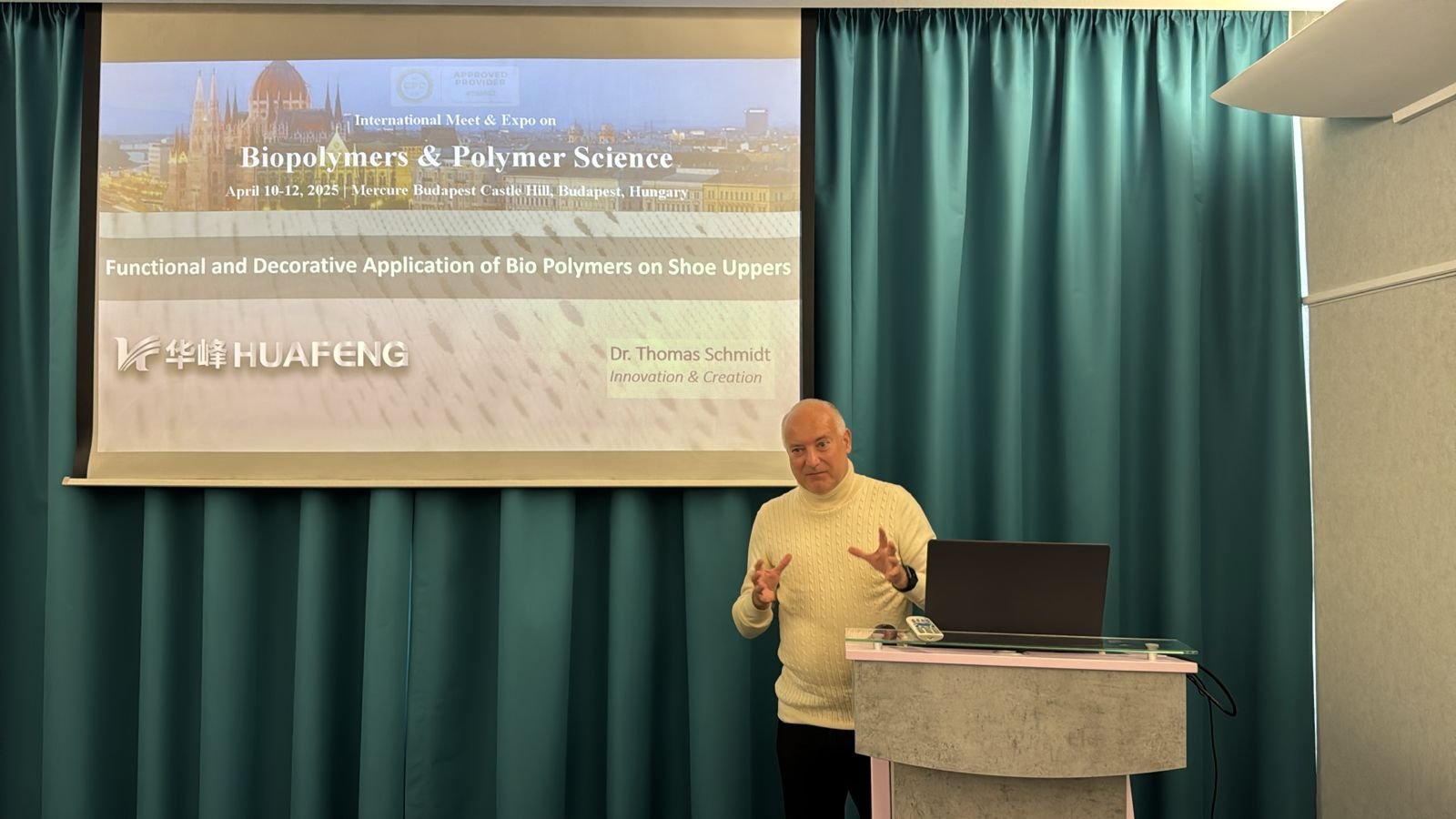
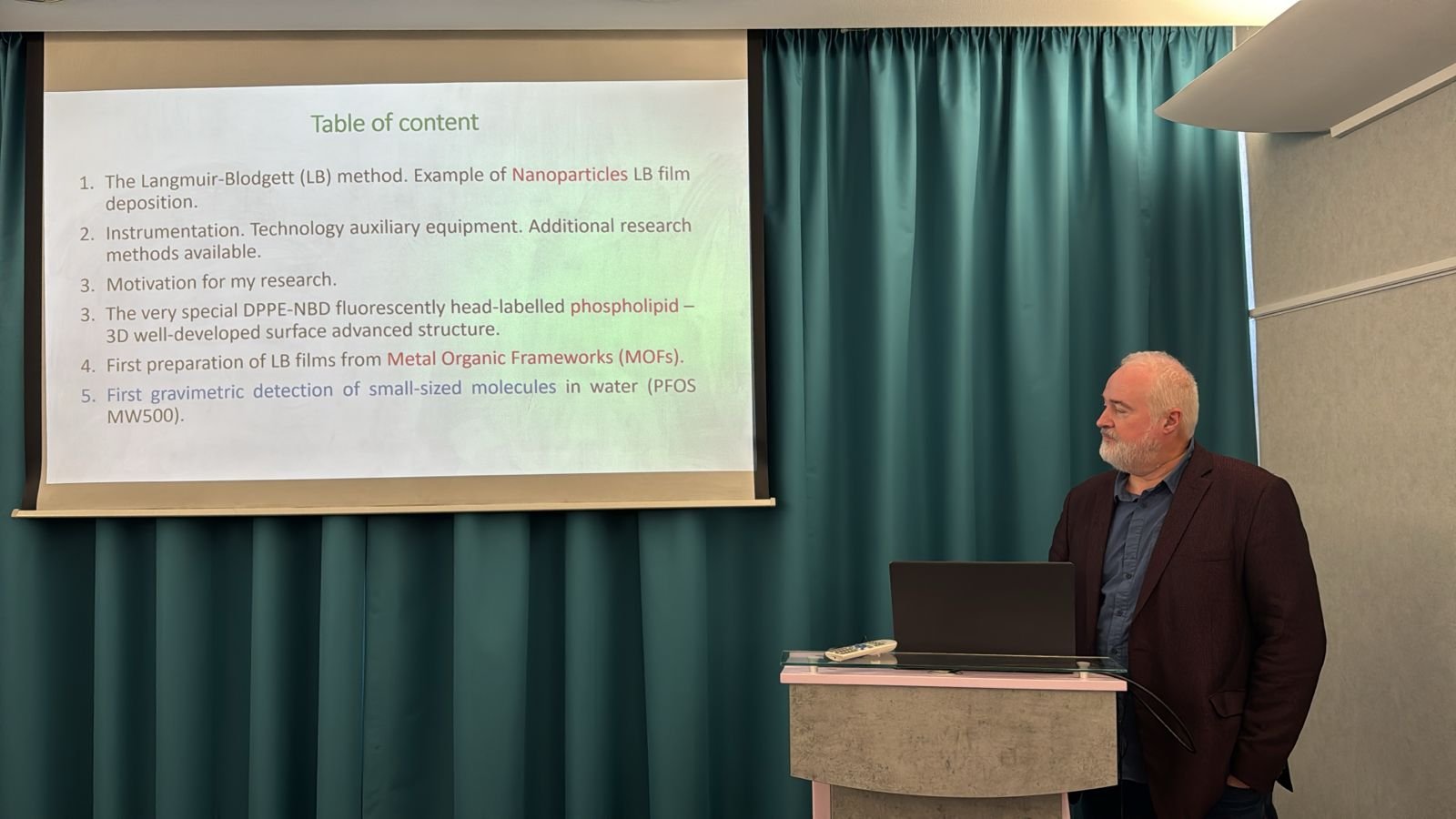
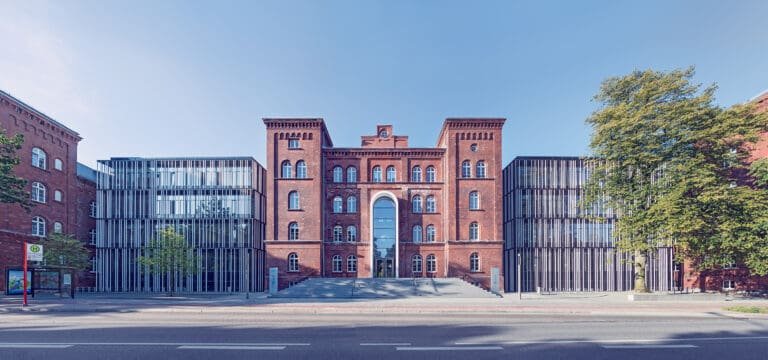
Thousands of international researchers, scientists and leaders will gather at the meeting.
Abstract Submission Deadline: First Round of Submission Deadline February 21, 2026
EarlyBird Registration Deadline: February 13, 2026
Dear Esteemed Participants,
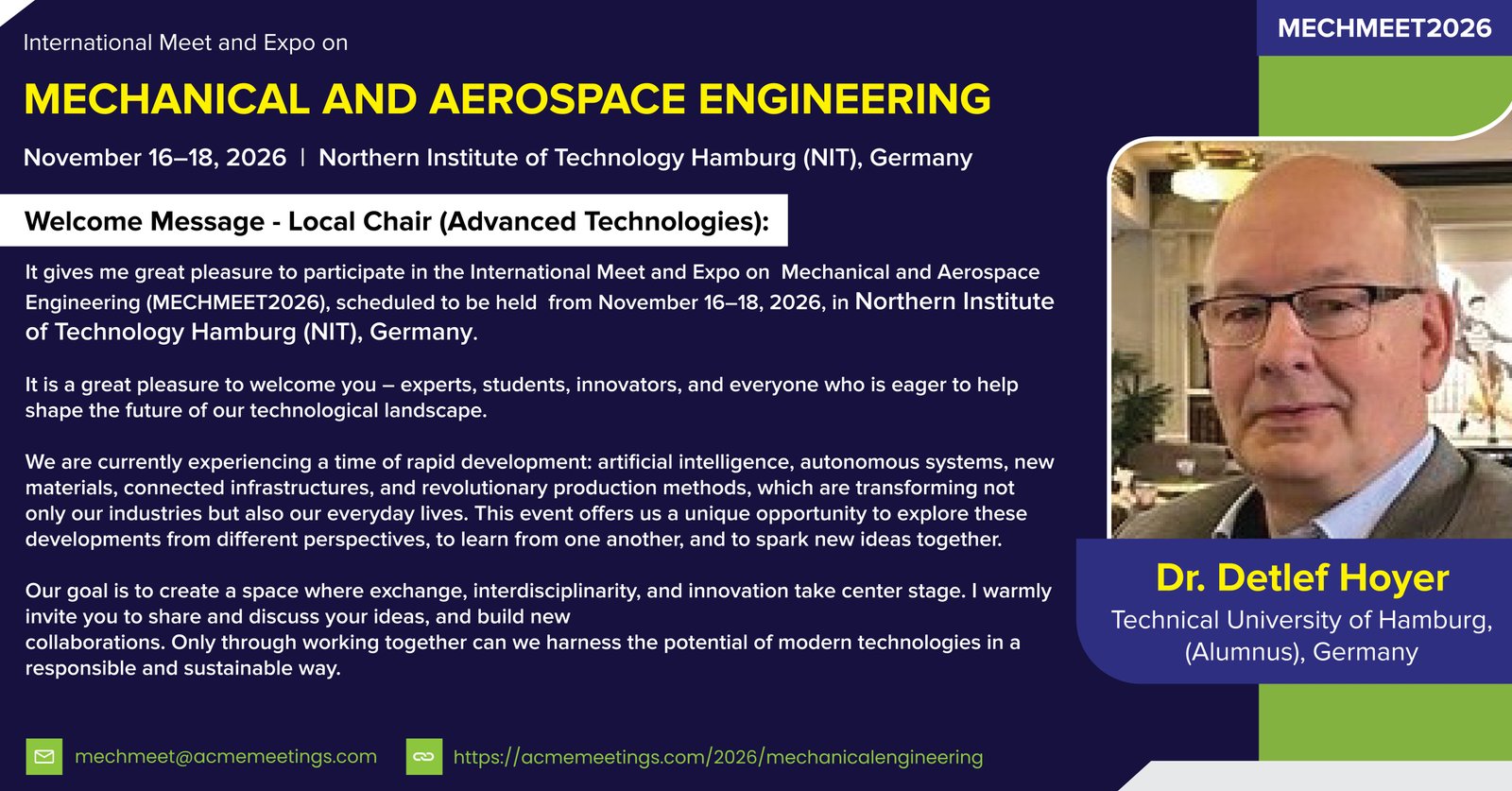
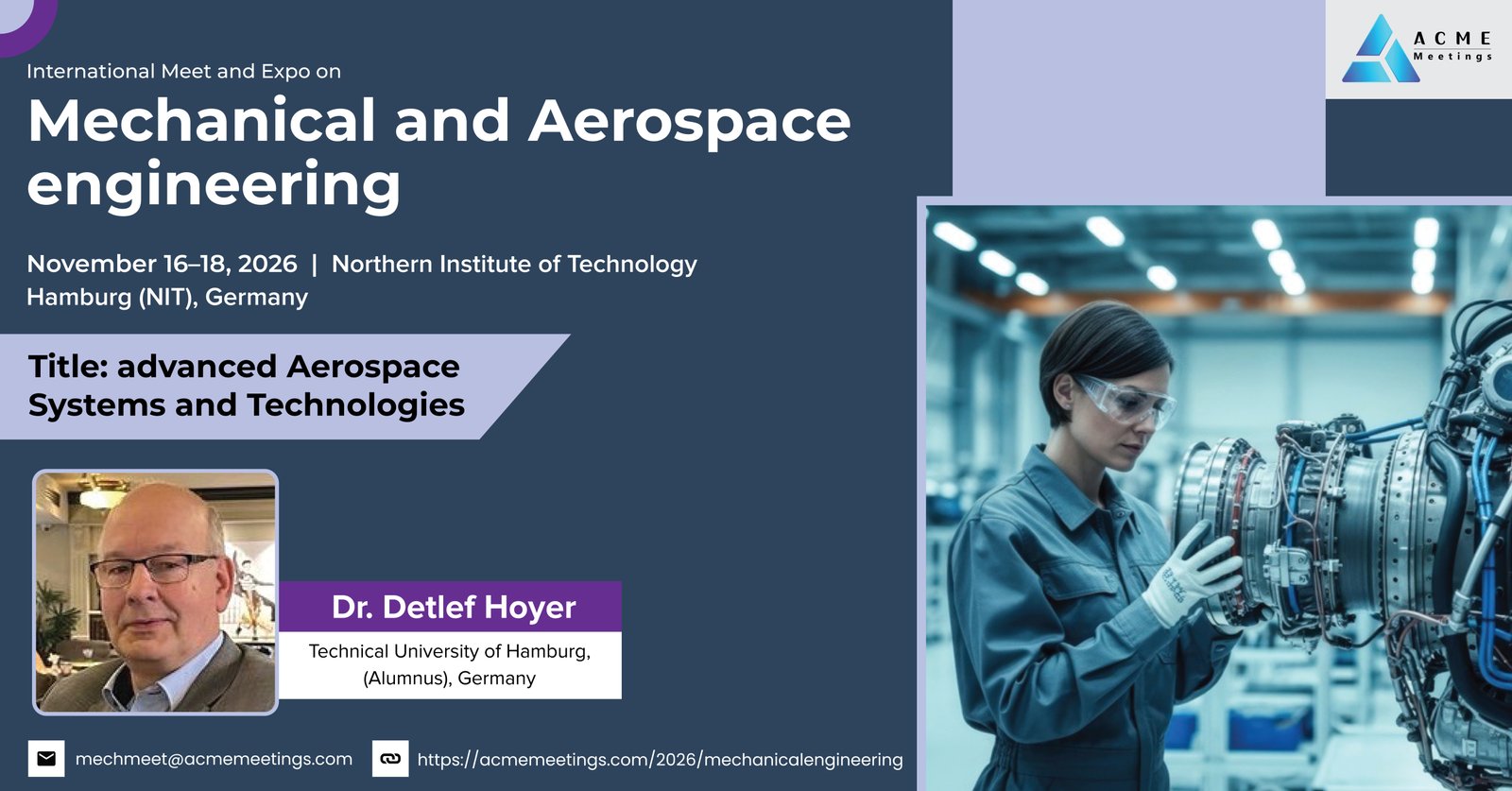
It is with utmost joy and excitement that we extend a warm invitation to all participants worldwide to join the International Meet & Expo on Mechanical and Aero Space Engineering (MECHTECH2026) in Northern Institute of Technology Management (NIT), Hamburg, Germany from November 16-18, 2026.
This conference promises to bring together visionaries and experts from around the globe. Attendees will have the unique opportunity to explore ground-breaking ideas and learn about future technologies through specially curated scientific sessions on Artificial Intelligence, Machine learning, Robotics, Nano Technology, Electric Vehicles and involving applications like structural Analysis and Design and Optimization, Supply Chain Management.
The future is looking brighter than ever for this industry! Don't miss out on this phenomenal opportunity for growth and success.
Mark your calendars for this momentous event that is set to revolutionize the future of Aero Space and Mechanical Engineering! We can't wait to welcome you to Germany for an experience like no other.
Warm Regards,
Program Secretary

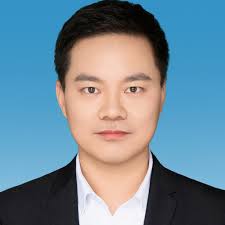
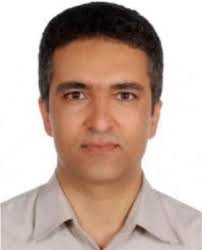
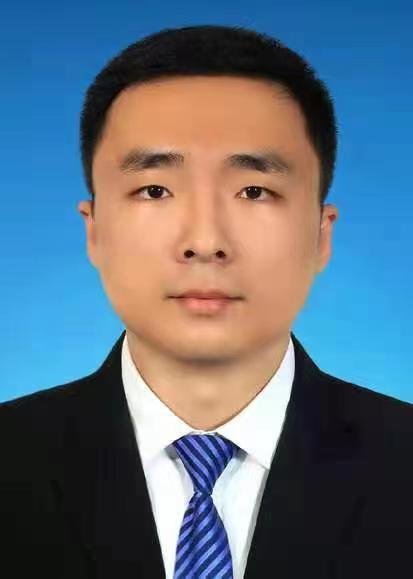
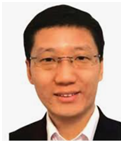
Dr. Xiangwei Bu received his B.S., M.S. and Ph.D. degrees in Control Science and Engineering from Air Force Engineering University in 2010, 2012 and 2016, respectively. He is currently a professor in Air Force Engineering University, Xi’an, China. His research interests include advanced flight control.
IEEE Robotics and Automation Society
USA
world’s top 2% of scientists
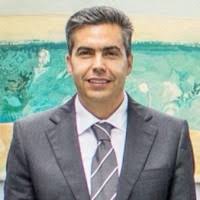
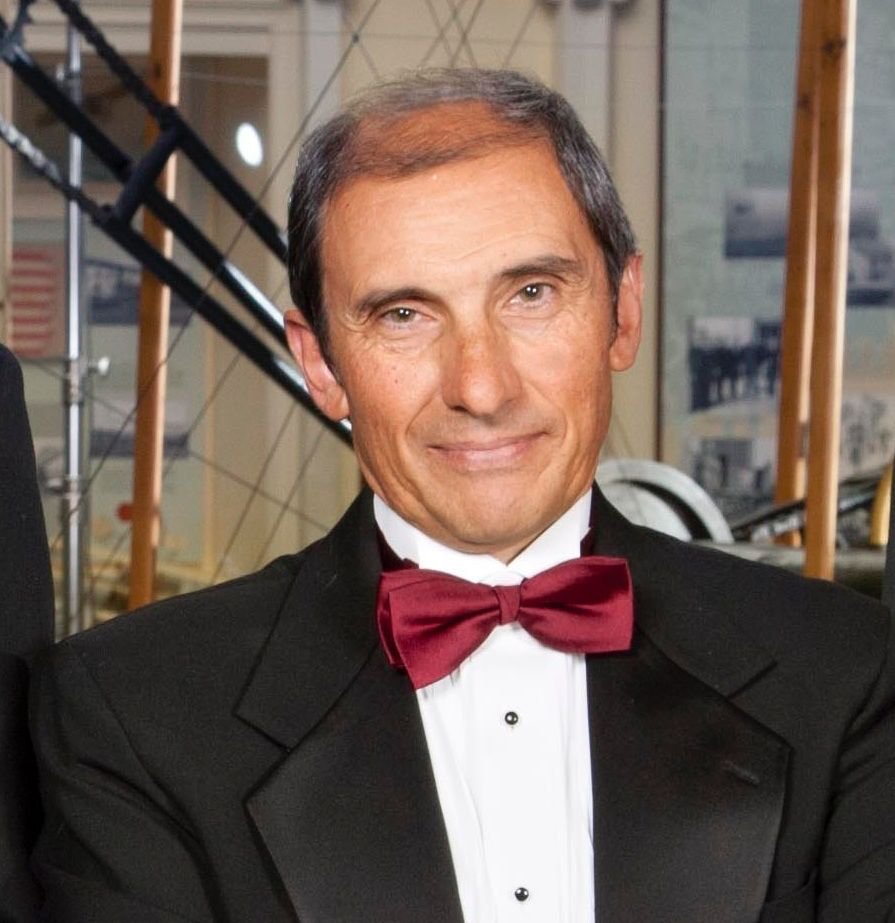
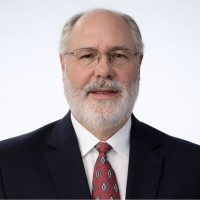
Ranked in the world’s top 2% of scientists in 2021, 2022, 2023, 2024, and 2025 (top 0.422%: 265 out of 62704 in-field) and nominated for the singularly distinctive Theodore von Kármán Award for the most outstanding contribution in the field of aerospace science and engineering, his authorship has garnered over two-dozen publication honors and one shared patent for spacecraft attitude control. In his academic career, he held professorships and executive & senior leadership positions at Cornell University, the Air Force Test Pilot School, the Naval Postgraduate School, and the Air Force Institute of Technology respectively. Dr. Sands performed space mission design and space experimentation for the Department of Defense (DoD) Space Test Program (STP).
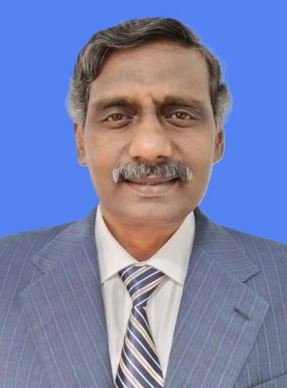
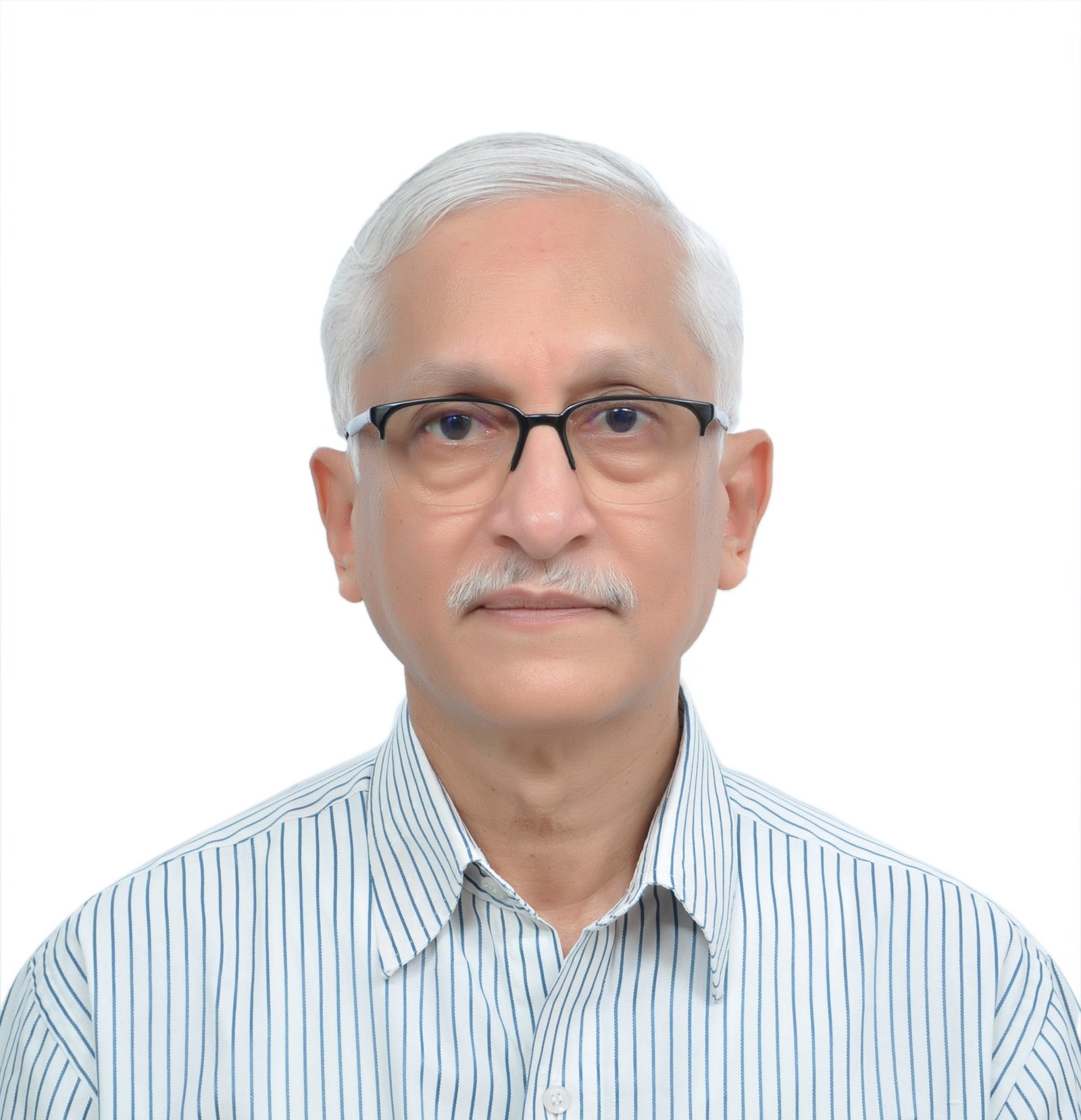
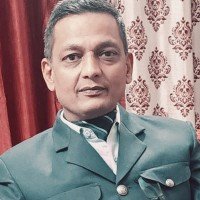
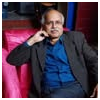
Dr. Jadav Chandra Mandal holds the position of senior professor in the Department of Aerospace Engineering at the Indian Institute of Technology Bombay, India. He obtained his bachelor’s degree in Aeronautical Engineering from the Indian Institute of Technology Kharagpur in 1982, followed by a master’s in Aerospace Engineering from the Indian Institute of Technology Madras in 1984. Subsequently, he served as a scientist at the Vikram Sarabhai Space Centre, Indian Space Research Organization, from 1984 to 1985. Dr. Mandal completed his doctoral studies in Aerospace Engineering at the Indian Institute of Science, Bangalore, in 1990, before assuming a faculty position at the Indian Institute of Technology Bombay. His research group primarily focuses on pioneering numerical algorithms for tackling both single and multi-phase incompressible flows, alongside all Mach number compressible fluid flows, and fluid-structure interaction. In recent times, his team has been actively involved in advancing Riemann solvers for the analysis of deformation and wave propagation in solids. Dr. Mandal has been honoured with prestigious awards including the J. R. D. Tata Fellowship at the Indian Institute of Science, Bangalore (1987-1990), and the Alexander von Humboldt Fellowship in Germany (2002-2003).
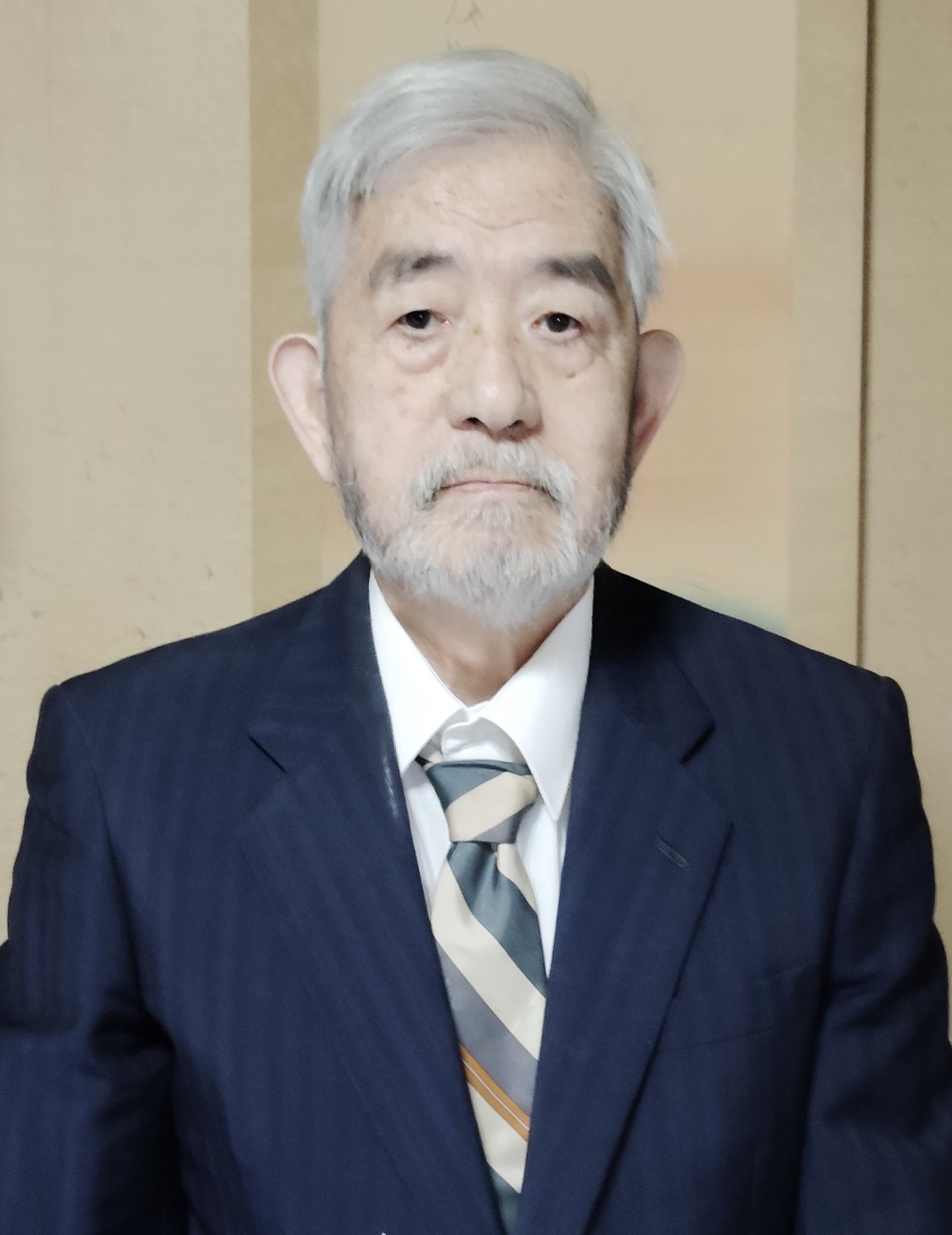
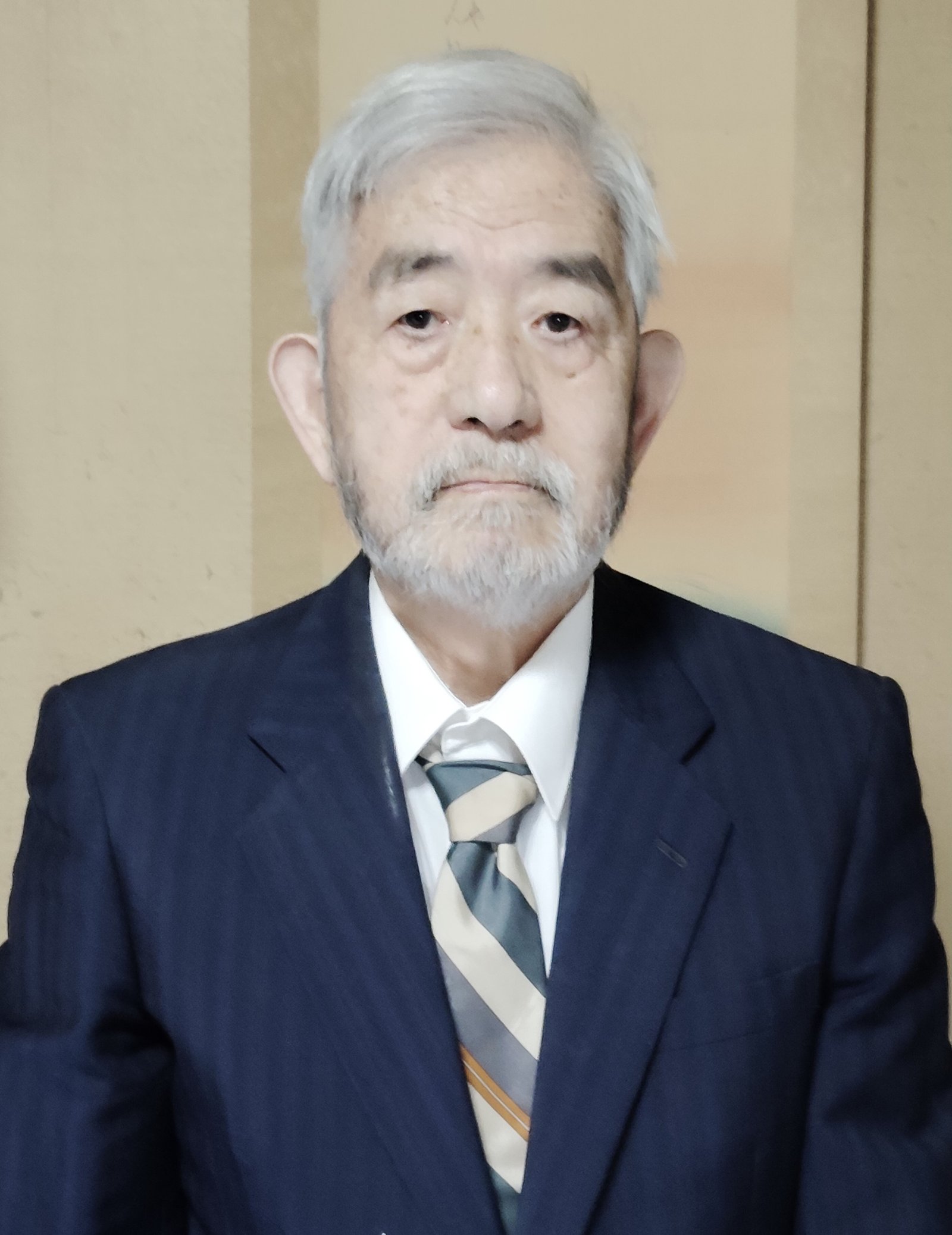
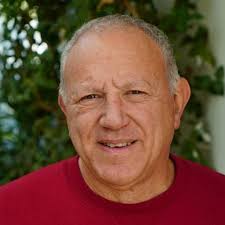
Biography of Friedhelm M. Jöge Friedhelm M. Jöge, born in 1943, worked in a scientific laboratory after studying chemistry and mathematics textbooks at a young age and after studying chemical engineering. He then worked in development departments in the chemical and pharmaceutical industries. The focus of his work was in the field of biochemistry and macromolecular chemistry. His interest are the synopsis of various physical, chemical and biological knowledge as well as questions of origin of life and ethics in the field of tension between faith and science. In particular, he dealt with the concept of information. He is married, has a daughter and three Grandchildren. He also loves music and chess. His contributions to science are five articles: 1. Quantum Gravity 2. Theory of Dark Energy 3. Information & Effect: An Introduction to the Concept of Immanence as a Physical Quantity 4. Calculation of Dark Energy and Dark Matter 5. Time is Energy and Dynamic Information (Information flow) 6. Equivalence of Information and Immanence
Robert Cunningham Voyle is the Executive Director of the Aviation Services Research Centre (ASRC), a joint initiative between The Hong Kong Polytechnic University and Boeing. With over two decades of experience in aerospace engineering and advanced manufacturing, Robert has held leadership roles across OEMs, risk-sharing partners, and academia. His expertise spans computer-aided engineering (CAE), product lifecycle management (PLM), additive manufacturing, and digital MRO technologies. At ASRC, Robert spearheads research and innovation projects focused on automation, robotics, industrial IT, and sustainable technologies for the aviation maintenance, repair, and overhaul (MRO) and manufacturing sectors across Asia. Prior to his current role, he served as Head of Design & Manufacturing Technologies at PolyU and held senior engineering positions at Airbus and GKN Aerospace, contributing to major programs such as the A350XWB and A400M. Robert is passionate about bridging academic research with industrial application, fostering talent development, and driving technological advancements that shape the future of aviation services. He has co-authored research on machine learning for aerostructure damage reconstruction and continues to champion collaborative innovation between industry and academia.
Professor (Ph.D) Yuval Cohen is a Senior Faculty Member at the Industrial Engineering department of the Afeka College of Engineering. His research area is focused on the improvement of industrial systems by integrating intelligent manufacturing, collaborative robots, and advanced technologies .
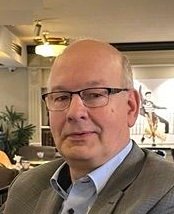
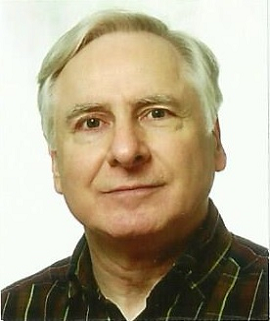
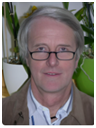
Dr. Detlef Hoyer has a PhD in theoretical electrical Engineering. He investigates Einstein-Maxwell equations derived from 5D Kaluza Relativity, where a scalar field occurs affecting both, gravity and electromagnetism. Recently he began to examine the 5D geodesic equation, which includes electomagnetic forces. Because geodesic equations are about acceleration and not about force, the term charge q over mass m has to be taken into account. Predictions of the theory are reduction of effective mass and a fifth force. Until it is not known, how to achieve those effects or even if they exist at all, his calculations aim for hints, how to arrange experiments for verification or falsification. Dr. Detlef Hoyer earned a college diploma in magnetism and low temperature physics in 1986. He completed his Ph.D. at the Hamburg University of Technology in 1992. Since then he worked as a software developer at a major German insurance company. In 2004 he started his research on Riemannian curvature of higher dimensional manifolds. Now he is an Alumnus of the Technical University of Hamburg in Germany and retired November 2024
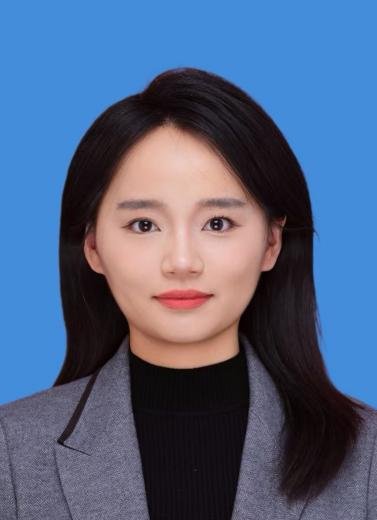
Dan Song received the Ph.D. degree in Information and Communication Engineering from Xiamen University, Xiamen, China, in 2023. She is currently an Associate Professor at Jimei University, China. Her research focuses on marine communication and coding, underwater communication, and quantum communication. She has authored/co-authored more than 20 papers in authoritative journals and conferences, filed over 10 invention patents, and has led and participated in multiple national and provincial research projects. Dr. Song serves as a reviewer for a number of international authoritative journals and is an Editorial Board Member of Computer Science and Technology. She was the recipient of the Outstanding Young Scholar Award at IEEE ICCCAS 2024 and the Outstanding Doctoral Dissertation Award of Fujian Province in 2025.
Serhii Shevchenko was born in 1961, in 1984 he graduated from the Kharkiv Polytechnic Institute (KhPI) with a degree in "Hydraulic Machines and Automation"). In 1990 he defended his PhD thesis on the topic "Development and research of new designs of gland seals for pumping equipment of nuclear power plants". He worked in the research laboratory of vibration reliability of machines of the Department of Theoretical Mechanics of the Sumy branch of KHPI (later SumDU): from 1984 to 1994 - a research associate, participated in developments in the field of aviation technology and nuclear power plants. Since 1995, he has created and managed private enterprises of the machine-building industry of Ukraine, which were engaged in the production of pumping and compressor equipment for various industries. Since July 2020, he has been a senior researcher at the Pukhov Institute, Institute for Modelling in Power Engineering of the National Academy of Sciences of Ukraine (IPME). In June 2023, defended his doctoral (Doctor of Technical Sciences) dissertation on the topic "Mathematical models of processes in sealing systems of centrifugal machines". Since August 2024, he has been an academician of the Engineering Academy of Ukraine (head of the Sumy regional organization). Since January 2025, he has been the scientific supervisor of the fundamental work "Creation of models, methods and means of increasing the safety and efficiency of the functioning of power pumping equipment", leading researcher. The direction of S. Shevchenko's scientific research is related to the development of methods for the theory of sealing and vibration reliability of centrifugal machines.
Dr. Chung Yuan Kung is Professor Emeritus in the Department of Electrical Engineering at National Chung Hsing University, Taichung, Taiwan. He earned his BS (1969) and MS (1972) in Physics from National Tsing Hua University, an MS in Physics from the University of Alabama in Huntsville (1974), and a PhD in Materials Science from Northwestern University (1979). After postdoctoral research at Georgia Tech and Lawrence Livermore National Laboratory and six years in the U.S. semiconductor industry with Fairchild and National Semiconductor, Dr. Kung joined Taiwan’s ITRI in 1987 and served on NCHU’s faculty from 1991 until his retirement in 2016. His 2024 publications represent a culmination of decades spent unraveling the deep connections between geometry and materials.
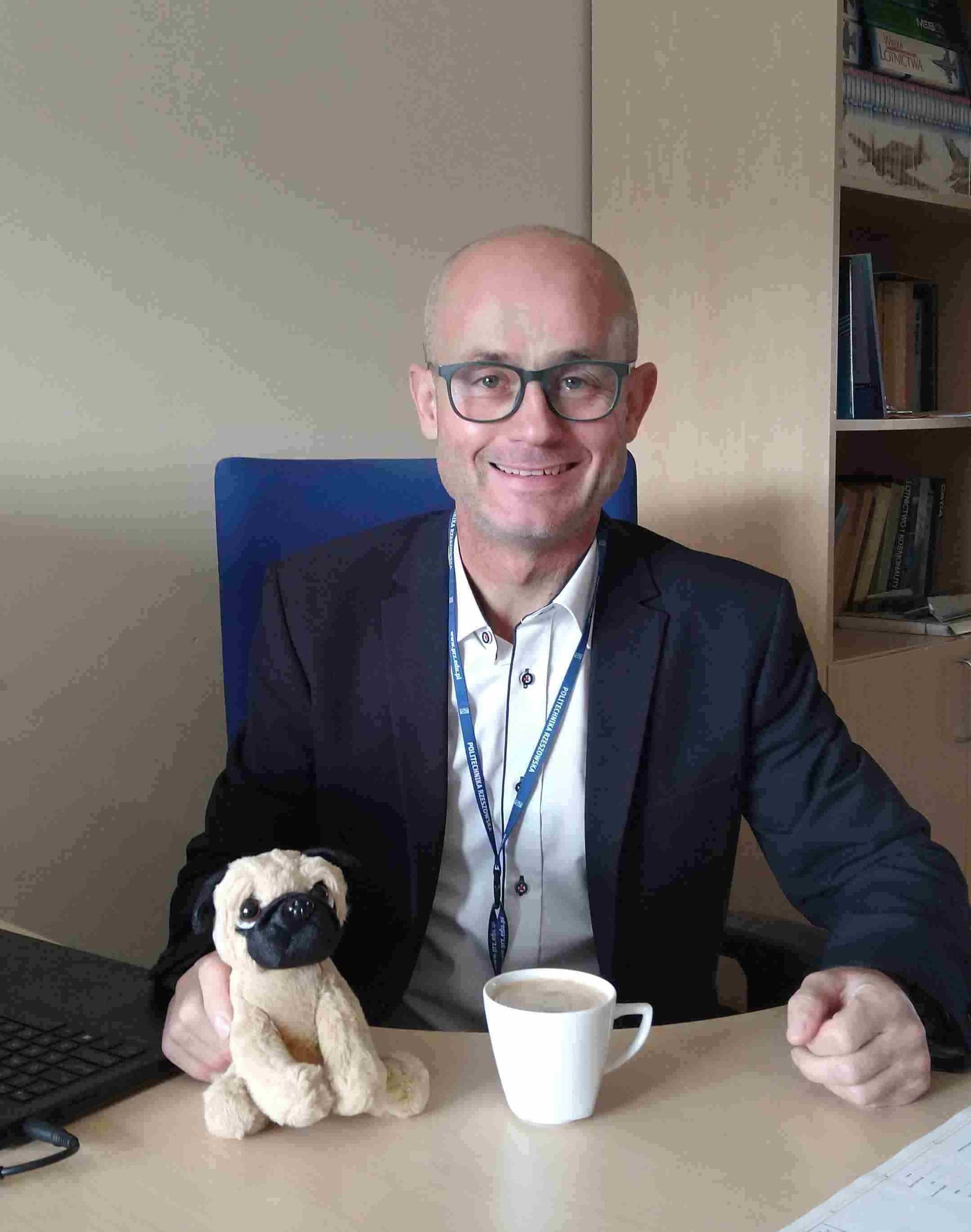
Robert Jakubowski, PhD, Eng. is an Assistant Professor at the Department of Aerospace Engineering, Rzeszów University of Technology, Poland, where he has been working since 1998. He initially served as an Assistant and, after obtaining his Ph.D. in 2004, became an Assistant Professor and Lecturer. He teaches courses on Turbojet Engine Theory, Modelling and Analysis of Turbojet Engine Performance and Numerical Analysis in Aviation Applications. His research focuses on thermodynamic modeling and performance analysis of aero engines, particularly turbojet and turbofan engines. He conducts conceptual studies on advanced propulsion systems such as inter-turbine burner engines and turbofan engines with reheaters. His work includes developing numerical models, mainly in MATLAB, for analyzing engine performance under various operating conditions. He gained professional experience at MTU Aero Engines Poland, where he worked in the Performance Department for over three years. He is the author and co-author of several scientific papers on aircraft propulsion systems.
Ammar Mrabti is a mechanical engineer and PhD researcher specializing in vibration analysis and fault diagnosis of rotating machinery. His research focuses on the development of signal processing and data-driven methods for condition monitoring, with particular interest in bearings and gearbox systems. He has experience in experimental testing, vibration and acoustic measurements, and the application of advanced decomposition techniques and statistical indicators for defect detection. He has authored peer-reviewed journal publications and has presented his work at international conferences. In addition to his research activities, he has teaching experience in mechanical engineering modules and has contributed to laboratory supervision and student mentoring. His academic interests include structural dynamics, condition-based maintenance, and the integration of classical signal processing with artificial intelligence for industrial diagnostics
Born in 1940. I hold a PhD in Industrial Engineering from the OUTSIDE in the Polytechnic University of Madrid, and a degree in Physics from the Complutense University of Madrid. I have been engineer specialized in air conditioning installations, Consulting Engineer, public servant in the tax administration agency, Deputy Director General of the Ministry of Finance of Spain, responsible for the data processing center, professor at the Polytechnic University of Madrid and business advisor. With a group of collaborators, I have developed over the last fifty years a private research project in rotational dynamics, conducting experimental tests and proposing a scientific theory about the behavior of bodies subjected to acceleration, called the Theory of Dynamic Interactions. I have published more than thirty books on physics, engineering, and history, and numerous articles on these topics. Currently retired, but I continue working on research projects and writing books and articles.
Dr. Rashmikant is a Senior Research Scientist at Morgenrot.Net, Japan, where he develops high-performance CFD workflows accelerated by AI/ML and GPU computing. Prior to this role he was a Researcher at Tohoku University, leading multidisciplinary optimization and composite aircraft design projects. He earned his Ph.D. in Computer Science and Systems Engineering from Kyushu Institute of Technology (2022), after B.Tech and M.Tech degrees in Mechanical and Materials Engineering from India’s national universities. His research integrates Multidisciplinary & Multiobjective Optimization, Bio-inspired flying robots, and sustainable MAV design. A recipient of competitive fellowships including GATE, JASSO, and KANAZAWA, Dr. Rashmikant bridges fundamental simulation science and applied aerospace innovation.
Professor Sarit K. Das is an Institute Professor at the Indian Institute of Technology Madras, Chennai. He is the first occupant of the V. Balakrishnan Chair Professorship and a Professor of the Mechanical Engineering Department of the Institute. He is the former Director of the Indian Institute of Technology Ropar. He is also the former Dean (Academic Research) of IIT Madras. Prof. Das studied at the Jadavpur University (BME 1984,MME 1987), NIT Rourkela (PhD 1994) and the Helmut Schmidt University of Hamburg, Germany(PDF). His research group works on various aspects of thermo fluidics like heat and mass transfer in industrial equipment such as heat exchangers and fuel cells, multiphase flow and energy conversion. The group focuses explicitly on Micro-Nano scale processes and is known to be one of the leading groups on Nanofluids in the world. Another area of focus of the group is bio-microfluidics, for medical diagnostics, the platform for drug delivery and understanding pathological states related to cardiovascular diseases and cancer. Prof. Das is a Fellow of the National Academy of Sciences (NASI), the Indian National Academy of Engineering (INAE), the Indian National Science Academy (INSA) as well as of Alexander von Humboldt Foundation, Germany. Recently, he has been selected a fellow of the Asian Union of Thermal Sciences and Engineering (AUTSE). He is a JC Bose awardee of the ANRF (Anusandhan National Research Foundation). He was a Peabody Visiting Professor at MIT, Cambridge and a visiting Professor - Lund University, Sweden. He is conferred with the prestigious India Citation Awards 2012 by Thomson Reuters. He has published more than 370 research articles and six books. He is the most cited mechanical engineer of the country. Prof. Das is a member of the editorial boards of Heat Transfer Engineering, Taylor & Francis Publishers and the former Editor in Chief of the International Journal of Micro-Nano Scale Transport. He received the Lifetime Achievement Award from IIT Madras.
S. Sarkar, Distinguished Professor of the Department of Mechanical Engineering at the Indian Institute of Technology Kanpur, India, HAL Chair, Convener of Energy Conversion and Computational Turbomachinery Laboratories, received PhD. from Indian Institute of Technology, Madras. He also served the University of Calcutta and the University of Surrey, UK. Dr. Sarkar is involved in research over the last 30 years and contributed significantly to the fields of Turbomachinery, CFD, LES/DNS, Transition, and Turbulence. He has guided numbers of master/doctoral students and completed many industrial and sponsored projects. He has served as a technical expert on project-review committees of national importance, and numerous academic and administrative committees of the Institute. His research has enhanced the understanding and development of HP/LP turbines, high-lift blade design, and wake-induced transition phenomena. His studies on the influence of coherent and semi-coherent eddy structures on transitional boundary layers are not only application-relevant but also theoretically significant across various fluid dynamic systems. He delivered many invited lectures as a subject expert in India and abroad.
MECHMEET 2026 will be held at the Northern Institute of Technology Management (NIT), Hamburg, Germany, a prestigious academic institution known for excellence in engineering, technology, and management education. Hosting the conference at NIT provides an outstanding academic environment, world-class infrastructure, and strong industry–academia connections, making it an ideal venue for global researchers, academicians, and industry professionals.
Beyond the conference, Hamburg is one of Germany’s most vibrant and internationally connected cities. Renowned as a major hub for engineering, aerospace, maritime industries, and innovation, Hamburg offers participants valuable opportunities for professional networking and industry exposure. The city is also famous for its rich cultural heritage, historic harbor, modern architecture, and lively waterfronts. With excellent transport connectivity, diverse cuisine, and a welcoming international atmosphere, Hamburg promises a memorable academic and cultural experience for all attendees.